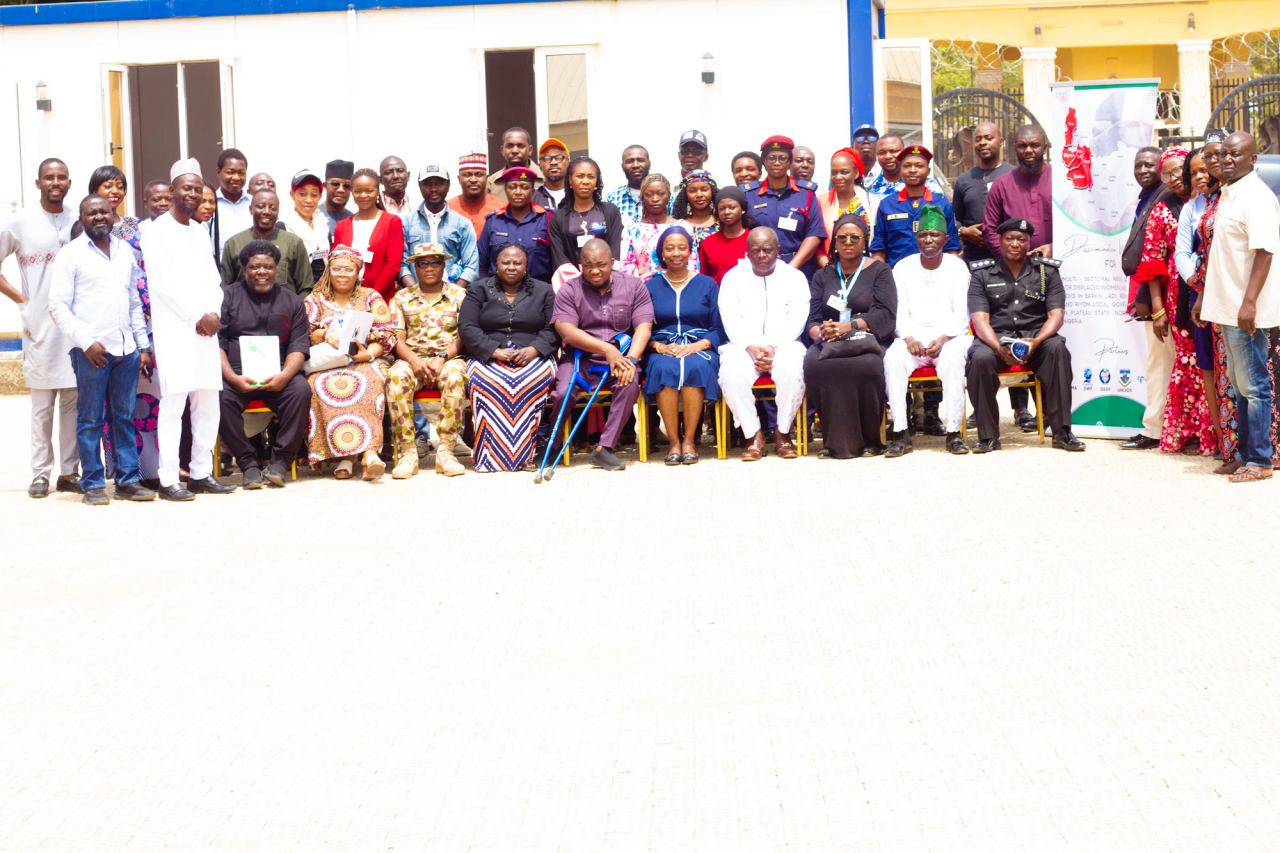
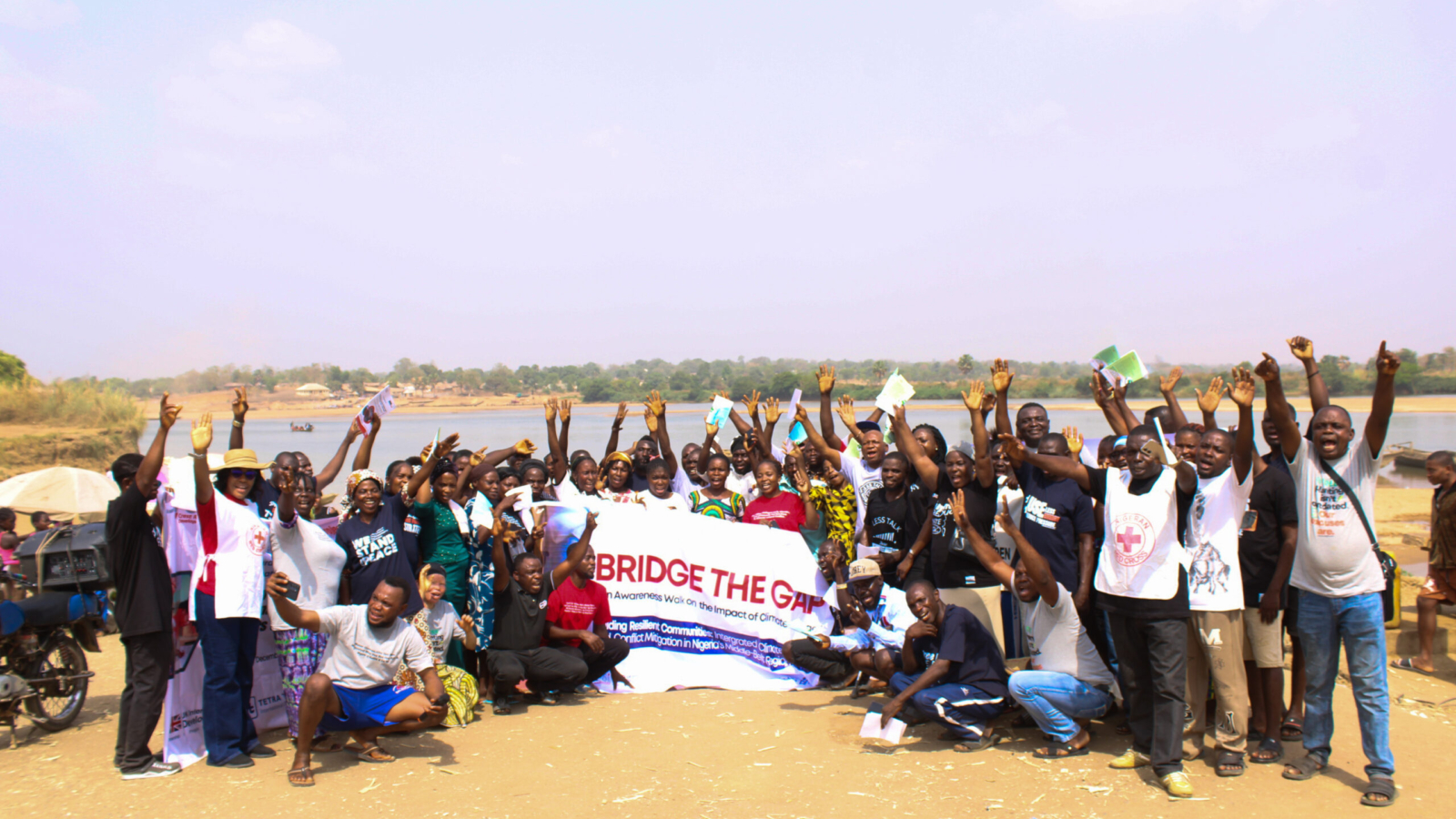
Hands Up_Bigger and Better and he River.jpg

Before the Flood: How Community Voices Power Early Warning in Buruku

By: Bandin Glory Joseph

In communities such as Buruku in Benue State, climate change is not understood as an abstract or distant concept. It is felt in very practical and immediate ways through observable changes in the environment. Rising river levels, increasingly unpredictable and delayed rainfall patterns, and declining agricultural yields have become part of everyday experience. For predominantly agrarian communities, these shifts directly affect livelihoods, food security, and household stability. As natural resources such as arable land and water become more constrained, the pressure on them intensifies, often heightening competition and, in some cases, deepening tensions within and between communities.

It is within this context that the need for a more integrated and locally grounded response becomes evident. Recognizing the interconnected nature of climate vulnerability and conflict dynamics, Crest Research and Development Institute (CRADI) implemented the Building Resilient Communities: Integrated Climate Adaptation and Conflict Mitigation in Nigeria’s Middle Belt (BRIDGE) Project. This intervention forms part of the broader SPRiNG initiative supported by the UK Foreign, Commonwealth and Development Office (FCDO), which seeks to strengthen resilience and stability in fragile contexts.

The BRIDGE Project is designed to support vulnerable communities across Plateau and Benue States by addressing both environmental and social dimensions of resilience. Its core objective is to enhance communities’ capacity to adapt to climate variability while promoting peaceful and inclusive management of natural resources. The project places particular emphasis on strengthening local systems, empowering women, youth, and marginalized groups, and improving community preparedness through early warning and anticipatory action mechanisms.

A central component of this approach is the establishment of community-based Climate Early Warning Monitors (EWMs). These individuals are selected from within the communities and are equipped to systematically observe, verify, and share timely information on emerging climate-related risks. Their role involves observing environmental changes, validating information, engaging with relevant agencies where necessary, and sharing timely and accurate warnings with their communities to support early action.

By grounding early warning systems in local knowledge and participation, the project strengthens responsiveness while also fostering trust, collaboration, and collective action.

From Noticing to Structured Response

To support the effectiveness of these Early Warning Monitors, Activity 3.1: Establish and Train Climate Early Warning Monitors was implemented to equip them with the practical skills and tools needed to carry out their role effectively.

At a training session held at the Youth Centre in Buruku, 60 community members came together, not merely as participants, but as individuals stepping into a critical community function. As newly designated Early Warning Monitors, they are now positioned to support timely communication, link with relevant stakeholders, and promote early response within their communities.


From Awareness to Structured Response

For many participants, the signs of climate variability were already familiar, unusual river patterns, shifting rainfall, and prolonged dry spells had long been observed within their communities. What had been missing, however, was not awareness, but a structured system to translate these observations into timely action.

The training addressed this gap by shifting participants from passive observation to intentional and coordinated response.

Participants were guided on how everyday environmental changes can serve as early warning signals when properly identified, documented, verified, and communicated.

As one participant shared:

“This training has opened my eyes to how we can identify early signs of flooding and inform others before it becomes a disaster.”

Tools for Timely Action

To support the work of Early Warning Monitors and strengthen real-time information flow, participants were introduced to the Early Warning Early Response (EWER) platform, a digital tool designed to capture, verify, and disseminate climate risk information, including flood alerts, drought trends, and extreme weather patterns.

Recognizing varying levels of digital literacy, the training adopted a hands-on and inclusive approach. Participants were supported step-by-step to create email accounts, download the application, and practice submitting real-time reports.

In my MERL role, I supported participant onboarding onto the EWER platform by assisting with email setup and app usage, ensuring accurate attendance and registration, and capturing participant insights to inform ongoing learning and improve implementation. This ensured that participants were not only introduced to the tool but were able to use it confidently and independently by the end of the session.

As one participant noted:

“Even though I had some difficulty at first, I was able to download it and submit a report. This will help us share information quickly.”

Blending Technology with Trust

While digital tools enhance speed and coordination, participants emphasized that information in their communities still travels fastest through trusted and familiar channels such as community meetings, marketplaces, and local networks. The training therefore encouraged a blended approach, combining digital reporting tools with traditional communication systems to ensure wider reach, trust, and inclusion.

“I learned how to use both my phone and local communication methods to spread early warnings, which will make a big difference in our community,” one participant explained.


Why Verification Matters

Before the training, early warnings were often shared informally, sometimes without verification. Through the sessions, participants gained a clearer understanding of the importance of accuracy, validation, and coordination with relevant stakeholders.

“Before now, we only relied on observation without proper guidance. Now we understand how to verify information and pass correct messages to our people,” a participant reflected.

In early warning systems, speed matters, but accuracy remains essential.

Building Resilience from Within

Like many community-based interventions, the process was not without challenges. Some participants required additional time to adapt to digital tools, and occasional network constraints slowed progress. Yet these challenges reinforced an important lesson: resilience is not built under perfect conditions, but through continuous learning, adaptation, and collective effort.

By the end of the training, participants were no longer just attendees. They had become part of a growing, community-driven early warning system capable of identifying risks early, sharing timely information, and supporting coordinated responses.

One Community, Many Watchful Eyes

The experience in Buruku reflects a broader goal of the BRIDGE Project: strengthening local systems so that communities are not only aware of climate risks but are equipped to act on them.

Climate shocks may be inevitable, but their impacts do not have to be devastating. When communities are equipped with the right knowledge, supported with practical tools, and connected through trusted systems, they can act early, protect livelihoods, and reduce vulnerability. In Buruku, that shift is already underway.

Because sometimes, the difference between crisis and preparedness is not just a forecast, it is a person who sees the signs and chooses to act.

1...IMG_20260127_131856.jpg

Building Peace from the Ground Up: Five Lessons from Nigeria’s Frontline Communities

By: Imo Silas, Korshima

Last week, I sat in a room filled with peacebuilders, government officials, and community leaders at the SPRING Programme Annual Learning Event in Abuja. What stayed with me was not the polished presentations or carefully framed policy frameworks, but a simple observation from Barrister Chris Ngwodo: “Federal security agents rotate frequently, but insecurity is rooted locally.”

That statement captured a fundamental truth about sustainable peacebuilding in Nigeria. The drivers of conflict are deeply local, and so must be the solutions. Over two days of rich conversations and honest reflections, what emerged was not a neat blueprint for peace, but something far more valuable. We heard grounded evidence of what is working in communities, why it is working, and what it takes to sustain it.

In this piece, I share some of my key takeaways from the two-day event.

Beyond Putting Women in the Room

Lantana Abdullahi from the Women for Positive Peacebuilding Initiative posed a question that challenged everyone present to think more deeply. She asked whether it is truly enough to include women, or whether we must ask which women are included and whether they have real influence over decisions.

Nigeria has close to twenty state action plans on Women, Peace and Security. On paper, this appears impressive. In practice, the impact depends entirely on whether these plans translate into real power, voice, and agency for women at the community level.

Drawing from her experience, Abdullahi explained that involving women in decisions around resource allocation did more than improve fairness. It transformed accountability. When women helped shape the rules, communities adhered to those rules differently. The lesson was clear. Peace processes that sideline women are not only unjust, they are less effective.


The Invisible Wound

One of the most sobering contributions came from Dr Maji Peterz of Carefronting Nigeria, who drew attention to the often neglected issue of mental health. He warned that without deliberate attention to psychological wellbeing, the effects of trauma will surface more forcefully in the years ahead.

Communities affected by conflict across Nigeria have lived through displacement, loss, and violence. Yet peacebuilding efforts frequently prioritize reconciliation and coexistence without creating adequate space for healing. Dr Peterz described efforts to support communities in processing trauma and rebuilding emotional resilience, emphasizing that this work is not an optional addon to peacebuilding.

Mental health support is foundational. Communities burdened by unaddressed trauma struggle to sustain peace, regardless of how well designed other interventions may be. Without healing, cycles of fear, mistrust, and violence are likely to re-emerge in new forms.

Young People Know What We Do Not

Noya Sedi from Global Rights offered a reminder that felt obvious once it was said. Young people are often the first to know when violence is occurring or when drug abuse is spreading within a community. Survivors frequently confide in peers long before approaching elders or authorities.

When young people are excluded from designing solutions, vital entry points for prevention are missed. This insight connected strongly with the keynote message from Dr Richard Montgomery, the British High Commissioner to Nigeria, who reminded participants that peace is not a single event but an ongoing process.

Young people are not only future leaders. They are current intelligence assets with access to networks and information that others simply do not have. Treating them solely as beneficiaries, rather than partners, limits the effectiveness of peace efforts.

Peace Does Not Stop at State Lines

Another powerful lesson from the event was the recognition that conflict dynamics do not respect administrative boundaries. Grazing routes extend across states. Criminal networks operate across borders. Climate impacts and resource pressures spill from one community to another.

Josephine Habba emphasized that peacebuilding efforts in Benue must also engage boundary communities in Nasarawa, because conflict flows freely across those lines. Many programmes are designed within neat jurisdictional limits, but lived realities are far messier.

For the herder whose cattle are stolen or the farmer whose crops are destroyed, state boundaries are irrelevant. The most effective interventions discussed during the event were those that deliberately addressed these cross-border dynamics rather than ignoring them.


What this Means Going Forward

The most important takeaway from the event is that there is no universal blueprint for peace. What works in Kaduna may not work in Plateau. The common thread is not a specific intervention, but an approach rooted in local knowledge, evidence-based adaptation, and institutions that enable communities rather than dominate them. Sustainable peace emerges when solutions are designed with communities, not imposed on them.
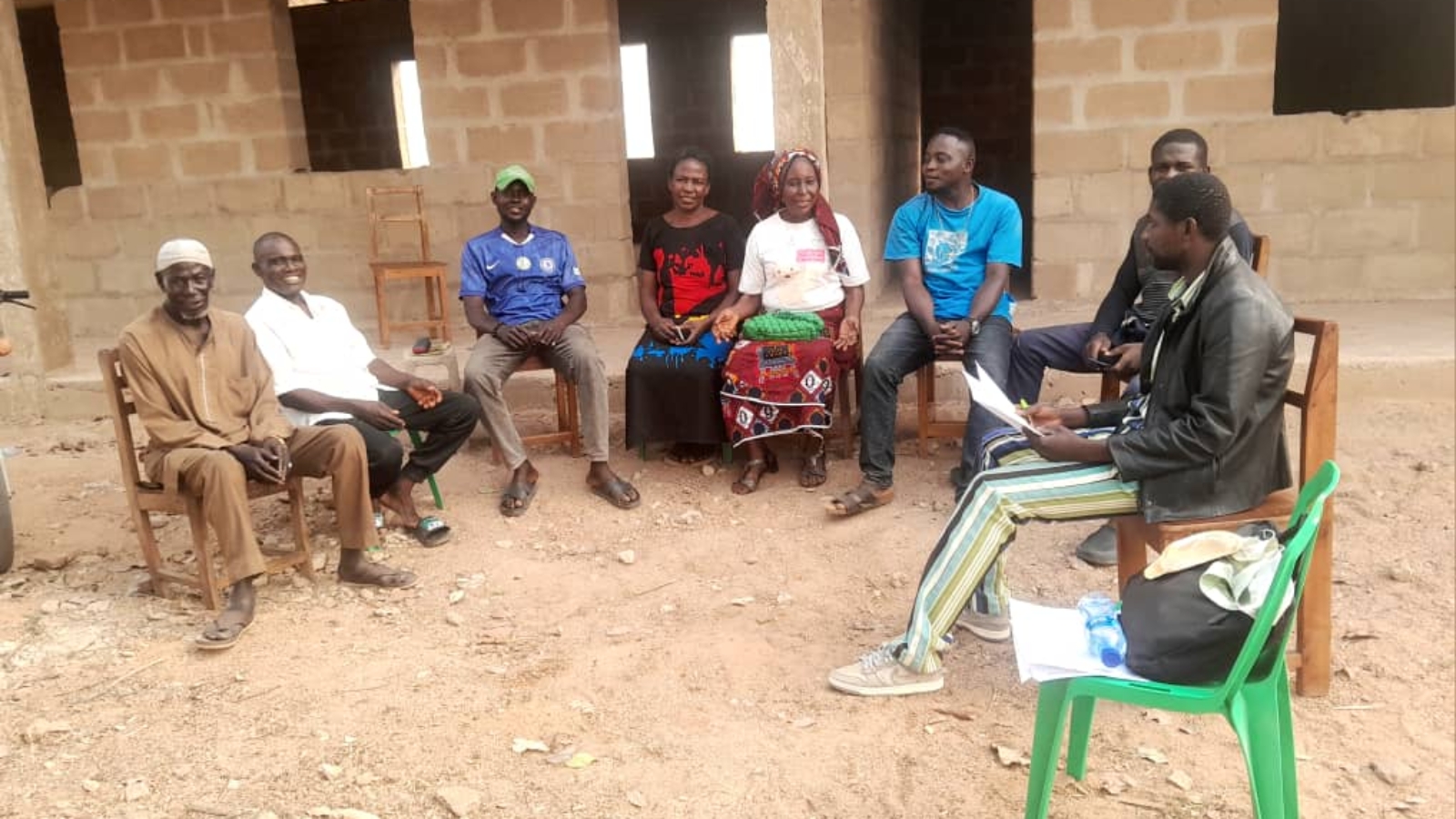
The Conversation Continues

What community led peace innovations have you witnessed? How is your organization building local capacity that continues long after project timelines end? We invite you to share your experiences with us at research@cradi.org or connect with us through our social media platforms.


IMG-20251214-WA0015

Many Voices, One Message: How Inclusive Leadership is Building Climate Peace in Buruku

By: Bandin Glory Joseph

In Buruku, Benue State, climate change is not tracked by charts or forecasts. community members see changes in the form of dry riverbeds, shrinking harvests, and seasons that no longer follow familiar patterns. For many families, these changes are not just environmental, they shape livelihoods, daily choices, and growing pressure over shared resources like land and water.

Community members championed a walk to create awareness of the evolving climatic conditions and the need to remain resilient. On this day, awareness moved beyond meeting rooms and onto the streets. As part of the BRIDGE Project’s community road walk, advocacy shifted from discussion to action, stretching from the busy Buruku market down to the bridge over the Buruku River, a vital lifeline and, at times, a contested resource.

Led by BRIDGE project team and 57 trained members of the Local Dialogue Platforms (LDPs), the walk transformed everyday public spaces into places of conversation. Market traders paused, cyclists slowed, commuters listened. The message was simple but urgent: climate stress can fuel tension, but communities have the power to respond early and peacefully.

What made the Buruku walk especially powerful was who was leading it.

Among the LDP members were persons with disabilities (PWDs), stepping forward not as symbolic participants, but as confident mobilisers and educators. Backed by training on climate-smart practices, early warning, and conflict-sensitive resource management, they spoke from experience, both lived and learned.

Before, we practiced dry-season farming on a very small scale,” shared Lami Njei, a PWD “But with the knowledge gained, we have expanded our cassava farm.

Her words landed because they reflected action, not theory. They reinforced a key idea running through the walk: resilience is practical, and when livelihoods become more secure, the risk of conflict reduces.

Rather than gathering people in a hall, the team met Buruku where daily life unfolds, engaging farmers, traders, youth, cyclists, and passers-by through open conversations supported by flyers, banners, and local languages. These exchanges made the links between climate change, resource competition, and social tension easy to grasp, while also highlighting practical ways communities can respond. The visible leadership of persons with disabilities at the centre of these interactions shifted perceptions and built trust quickly. As they explained early warning mechanisms and shared personal examples of adaptation, community members listened with attention and respect. Although the road walk followed a simple format used elsewhere, its impact in Buruku was shaped by inclusive leadership and local context. The message resonated clearly: while climate change continues to test communities, inclusion strengthens their response. When everyone, regardless of ability can understand the risks, apply the solutions, and lead the conversation, peace becomes something communities actively build together. In Buruku, many voices walked with one message: climate resilience and peace grow strongest when no one is left behind.

WhatsApp Image 2026-01-16 at 9.02.48 PM

How Communities in Nigeria’s Middle Belt Are Bridging Climate and Peace

By: Benard Okereke

Inside a groundbreaking project that’s turning conflict over scarce resources into collaboration for a resilient future.

In Nigeria’s Middle Belt, the lines between a climate crisis and a conflict crisis are blurring. As fertile land and water become scarcer, competition intensifies, threatening the peace that communities in states like Benue and Plateau desperately need.
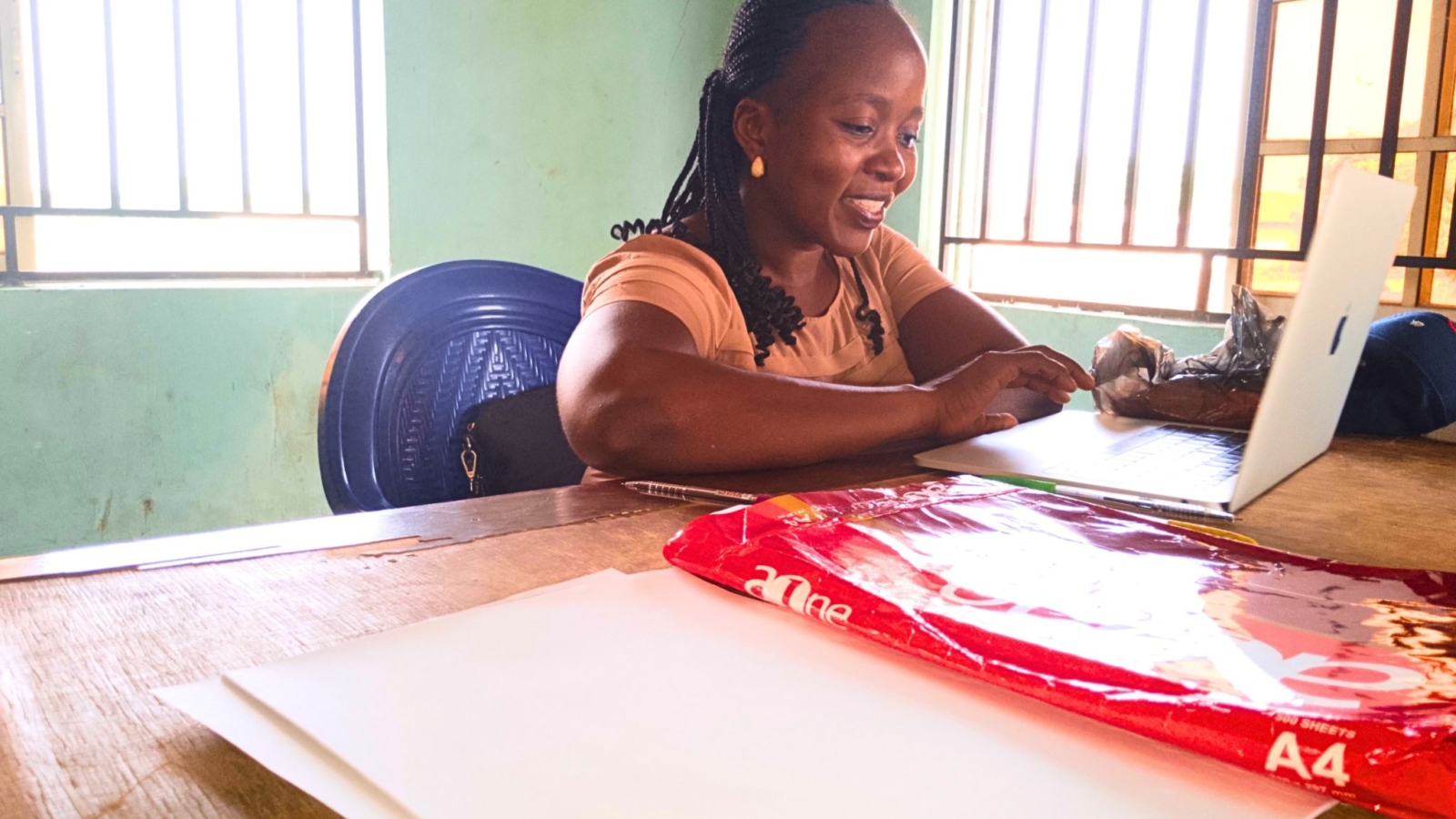
But what if the same forces driving tension could also fuel collaboration? This is the bold question at the heart of the BRIDGE Project (Building Resilient Communities: Integrated Climate Adaptation and Conflict Mitigation), implemented by The Crest Research and Development Institute (CRADI).

We’re moving beyond theory and into action. Right now, our team is on the ground in Buruku, Bokkos, and Jos North, conducting a vital pulse check. This isn’t just a routine assessment; it’s a listening tour at the intersection of survival and harmony.

We’re Asking the People Who Know Best

Instead of just spreadsheets, we’re using conversations. Through focus group discussions and interviews with farmers, herders, women leaders, youth, and local authorities, we’re uncovering a ground-truth narrative. We’re learning:

  • What’s working? Are the newly established Local Dialogue Platforms helping neighbours resolve disputes over water points?
  • Where do we need to adapt? Is the training on climate-smart agriculture giving farmers real hope for the next harvest?
  • How can action strengthen peace? Are Community-Based Early Warning Subcommittees preventing small clashes from escalating?

This gender-responsive listening process is designed to harvest actionable insights. The goal is simple: to amplify what works, quickly adjust what doesn’t, and ensure that every intervention is community-powered.

From Local Insights to Lasting Impact

The stories and data we gather won’t sit in a report. They are the direct fuel for our adaptive management. They will shape:

  • Smarter Strategies: Informing our next steps to strengthen natural resource governance.
  • Stronger Voices: Guiding how to better support community-led climate action that cools tensions.
  • Inclusive Policies: Influencing dialogues with stakeholders to create a more resilient and peaceful foundation for all.

This quarter’s assessment is more than a milestone; it’s a testament to a core BRIDGE belief: lasting resilience is built when communities are empowered to lead both climate adaptation and peacebuilding, together.

Stay tuned as we share key findings from the front lines of resilience.

Follow our journey or learn more about CRADI’s work in building a more sustainable and peaceful future for Nigeria.

Bandin on duty

From Dialogue to Action: Buruku Communities Unite for Climate Resilience

By: Bandin Glory Joseph 


When the first rains arrived late in Buruku, many farmers returned to their fields only to find their seedlings already wilting. One elderly farmer described how he stood in the middle of his land and felt an unfamiliar fear. The rains had failed him, and for the first time in his life, he could not predict what the season would bring. That simple story, shared at the Buruku Youth Centre, captured the reason the community gathered. Climate change is no longer a distant idea. It is changing daily life in ways that people can see and feel. The meeting brought together seventy-two participants under CRADI’s BRIDGE Project. They included farmers, women, youth, traditional rulers and persons with disabilities. The Ter Buruku and a representative of the Local Government Chairman opened the session by acknowledging the challenges everyone in the room already knew too well. The rainy season is now shorter and more unpredictable. The heat is stronger. Water sources are drying up. The soil is losing the strength it once had. These shifts are affecting livelihoods, household survival and the future of young people who depend on the land.

After the opening remarks, the discussion quickly became personal. Elders shared memories of how their fields and rivers once behaved. They described streams that no longer flow throughout the year and soils that respond differently to planting. Women spoke about the pressure these changes place on their homes, their farms and their ability to provide food. They explained how sudden dry spells, erosion and new pest outbreaks are stretching the resources of many households. Youth voiced concerns about what lies ahead for their generation. They spoke about extreme heat, water scarcity, flooding and land degradation that threaten both farming and the wider community. Although each group entered the room with different experiences, their concerns pointed to the same reality. Farming inputs are becoming too expensive. Water is harder to access. Road networks make it difficult to reach markets, and agricultural extension services are not consistent enough to support farmers as they adapt to new conditions. Yet, despite these shared difficulties, the atmosphere was hopeful rather than discouraged.
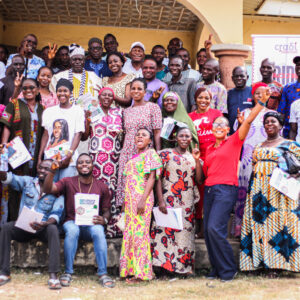
The conversation gradually shifted from describing problems to identifying workable solutions. Elders suggested planting varieties that survive dry conditions and exploring irrigation where possible. Women proposed practical actions such as planting trees around homesteads, adopting better seed varieties and forming women-led groups that can spread climate awareness. Youth offered their energy and creativity, suggesting community tree planting, learning safer agricultural practices and mobilising other young people to protect the environment. These ideas flowed naturally because they were rooted in the community’s lived experience.
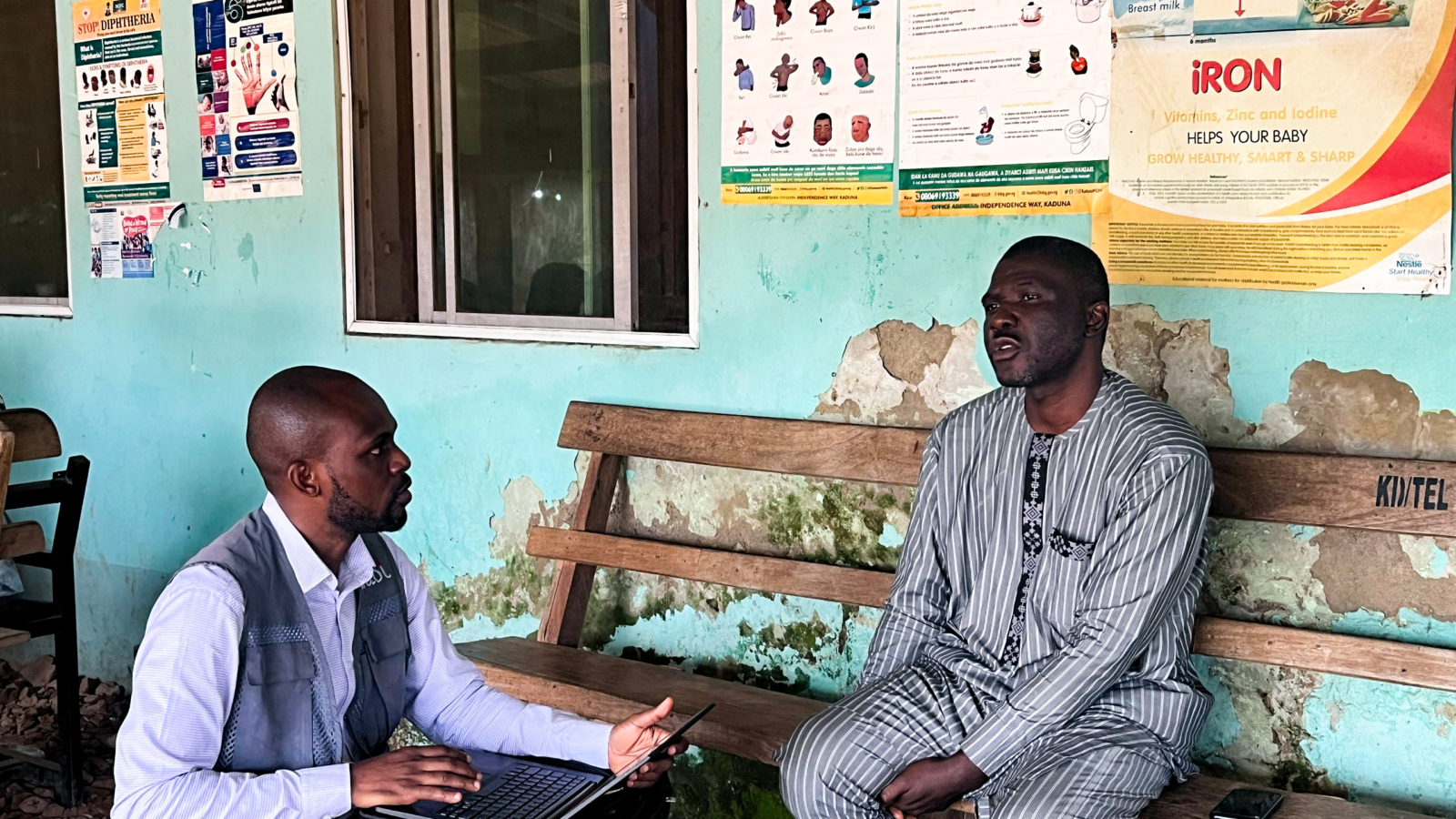
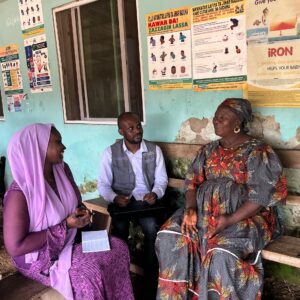
By the end of the session, the room had shaped a clear direction. Participants agreed to strengthen existing community structures such as youth associations, women’s committees and farmer groups so that action can begin from within the community rather than waiting for outside support. They committed to regular awareness sessions that keep climate resilience at the centre of community conversations. They also agreed to promote improved farming practices in households and to welcome regular follow-up visits that sustain progress. Traditional rulers and local authorities were identified as essential partners whose continued involvement can ensure community action is supported by stronger governance. As people left the hall, the atmosphere was noticeably different. What began as a day of sharing concerns had transformed into a unified decision to act. The participants walked away with new knowledge, shared understanding and a sense of direction. Buruku cannot control the changing climate, but its people have chosen not to face it in silence or isolation. They are responding with clarity, unity and a firm belief that resilience starts from within the community itself. The BRIDGE Project is proud to support this journey. If you are a community member, practitioner or policymaker who wants to support or learn from these efforts, join us. Share your experiences, participate in upcoming trainings, or connect with CRADI to explore how your community can build climate resilience. Together, we can turn dialogue into action and create solutions that last.


KII with community influencer (Kaduna south) 2025-09-03 at 20.57.11_3d501c84

Lessons from the Field: Navigating Challenges and Embracing Flexibility in Evaluating Gender Norms Change

By Adide Samuel Emelis


Crest Research and Development Institute (CRADI) was engaged by Girl Effect and Good Business to evaluate their innovative Collaboration Hub project; an innovative initiative aimed at shifting gender norms and improving sexual and reproductive health outcomes in Nigeria. This initiative stood out to me from the onset because of its creativity and ambition in tackling one of the most complex issues in our society: shifting entrenched gender norms and improving sexual and reproductive health outcomes. The project spanned across Lagos and Kaduna states, weaving together innovative strategies like mother-daughter TV cooking shows, youth-led theater performances, and even football-them

ed comic books to spark conversation and drive meaningful change.

As part of CRADI’s team, I deployed to Kaduna State to support data collection efforts for the Girl Effect tailoring project, working alongside two other research assistants and a team of seven data collectors to cover ten LGAs. The tailoring initiative itself was particularly inspiring. Local tailors, often seen simply as artisans, had been trained as community influencers to pass along messages about sexual and reproductive health during casual conversations with their clients. This approach cleverly tapped into everyday interactions to normalize critical conversations and promote healthier behaviors.

My role combined both coordination and direct data collection. I personally conducted seven key informant interviews (KIIs) with stakeholders like traditional rulers, religious leaders, and organizational representatives. Going into the field, we had carefully planned the evaluation methodology, but very quickly, we learned that fieldwork has a way of humbling even the most meticulous plans.

One of the earliest challenges surfaced even before we began our interviews. The Girl Effect partners were responsible for mobilizing participants for focus group discussions (FGDs), and we had clearly communicated that each FGD needed seven participants to ensure diverse perspectives and rich discussion. While we were already deployed to the field, they shared a spreadsheet containing contact details of mobilized participants. To our surprise, they had allocated just one person per FGD, rather than seven. This discovery caused a major setback. We had to pause, clarify expectations again, and work with their team to urgently re-mobilize participants to meet the required numbers. It was stressful, but it taught us how vital continuous communication and follow-up are when working with multiple partners.

We also had to make adaptations based on realities we encountered in the field. For example, three FGDs were initially planned for “community influencers,” whom we believed to be a large group of mobilizers and sensitizers. Upon arrival, we discovered that these “influencers” were actually community leaders, often just one or two individuals per community. Holding FGDs with such a small number was not feasible, so we quickly pivoted to KIIs instead. A similar adjustment was made for religious leaders. Instead of three FGDs, we opted for two KIIs; one with a Christian leader and one with a Muslim leader; alongside the two that had been planned earlier. These quick shifts required teamwork, creativity, and a willingness to let go of rigid plans in favor of what would best capture the voices and realities of participants.

Perhaps one of the most significant adaptations came when we began interviewing tailors. Initially, we had planned to conduct KIIs with 20 tailors, two from each LGA. However, after our first five interviews, it became clear that the tool we had designed was not fully suited for them. The questions focused on issues like collaboration with other stakeholders, such as health workers or traditional rulers, which were not relevant to the tailors as direct beneficiaries. Instead, we realized that the themes of another FGD tool were better aligned with their experiences and the type of information we needed to capture. During our daily reflection meetings, a routine we maintained throughout the data collection period, we flagged this issue, discussed it collectively, and agreed to revise the tool. The FGD tool was then modified into a KII tool specifically for the tailors, making the process smoother and the data richer. This experience highlighted just how valuable these daily debriefs were for identifying emerging challenges, brainstorming solutions, and aligning the entire team on next steps.

Despite these challenges, there were many rewarding moments that reminded me why this work matters. During one of my KIIs, a women’s leader shared how, at the start of the project, husbands in her community resisted allowing their wives to attend family planning sessions. Through consistent, respectful engagement and culturally sensitive messaging, some of these men gradually shifted their perspectives. A few even began accompanying their wives to sessions. Her story was powerful, showing how slow but steady change can ripple through families and communities when trust is built.

The collaboration at the heart of the Hub was both its greatest strength and its most complex challenge. By bringing together traditional rulers, health workers, religious leaders, civil society groups, and government actors, the project achieved deeper reach and greater credibility. However, this diversity also came with difficulties. Some state-level actors were initially reluctant to participate, causing delays and requiring persistent engagement.

Looking back, this experience taught me valuable lessons about flexibility and humility in the field. Plans are important, but the ability to adapt those plans based on emerging realities is even more critical. Clear communication can never be overemphasized, especially when working with multiple stakeholders. And perhaps most importantly, creating structured spaces for reflection, like our daily debrief meetings, helps teams stay connected, address challenges collectively, and ensure that every voice, including that of the field team, contributes to the success of the evaluation.

As we concluded our work in Kaduna, I felt a profound sense of gratitude for having been part of such a groundbreaking initiative. The Girl Effect and Good Business Collaboration Hub is not just about projects or data; it’s about real people, real conversations, and real change. I’m reminded of the words of 

a community leader I interviewed, who said, “If the message is strong and relevant, people will always gather to listen.” That sentiment captures the essence of this journey-a journey of listening, learning, and amplifying voices to create a future where gender norms are challenged, and communities are empowered to thrive.


Official Grant Signing flyer(1)

A Space to Dream, Design, and Do: Introducing the Co-Creation and Innovation Lab (CCIL)

A Space to Dream, Design, and Do: Introducing the Co-Creation and Innovation Lab (CCIL)

By Joseph Bandin

At Crest Research and Development Institute (CRADI), we’ve always believed that the best solutions are born not in isolation, but through collaboration. When communities, young people, practitioners, and institutions unite to ask bold questions and build practical answers, real change happens.

We’re thrilled to introduce the Co-Creation and Innovation Lab (CCIL), a multidisciplinary, cross-sectoral space designed to nurture homegrown ideas, test inclusive development solutions, and amplify the voices of those too often excluded from innovation conversations.

The Lab isn’t just a place where innovation is encouraged it’s where innovation is expected. It’s a space where marginalized voices, especially those of youth, women, and grassroots actors, are central to shaping the future.

What Makes the CCIL Different?

The CCIL stands out because it embodies a philosophy where local innovation thrives through active participation and collaboration. Here’s how:

  • Communities Lead the Way

We empower communities to take charge, ensuring their voices shape the solutions that affect them. Imagine a local farmer leading an initiative to develop sustainable practices tailored to their unique environment.


  • Cross-Sector Collaboration

We bring together diverse sectors, breaking down silos. For example:

  • Academia and Agriculture: Universities partner with local farmers to research sustainable farming practices, allowing agricultural students to develop crop rotation strategies that boost soil health and yield.
  • Civil Society and Technology: Nonprofits focused on education collaborate with tech startups to create digital learning platforms. A civil society group might help design an app that provides students in rural areas access to tailored online resources.
  • Government and Health Initiatives: Local governments team up with health tech companies to implement community health programs, such as mobile apps that allow residents to track health metrics.
  • Private Enterprise and Environmental Sustainability: Corporations work with NGOs to develop sustainable practices, like recycling programs that educate consumers while reducing waste.
  • Cultural Organizations and Youth Programs: Cultural institutions partner with youth organizations to promote the arts, providing workshops that encourage expression through performance art.
  • Financial Institutions and Community Development: Banks collaborate with community leaders to offer tailored financial products that support local entrepreneurship, such as loan programs aimed at women-led businesses.
  • Innovation Through Experimentation

We foster a culture where ideas can be tested, adapted, and reimagined. For instance, a new agricultural technique can be piloted in a small village, allowing for rapid feedback and improvement.

  • Inclusive, Scalable, and Resilient Solutions

We build solutions that not only address immediate challenges but are also designed to scale and endure. Think of a health app developed in one community that can be adapted for use across the region.

What Will the Lab Actually Do?

The CCIL will support innovation across six core thematic areas:

  1. Education Innovation: The Lab will focus on developing alternative learning models and digital platforms tailored to underserved learners. It will work on EdTech tools for under-resourced communities and design context-specific teacher training models that merge technology with community insight.
  1. Agricultural Transformation and Food Systems: The Lab will explore smart and sustainable farming tools that blend indigenous knowledge with digital technologies. It will also support market linkage models for rural farmers and promote agritech solutions that address food security and climate resilience.
  1. Digital Inclusion and ICT for Development: The Lab will address the digital divide by creating accessible technologies for rural youth, women, and marginalized groups. It will contribute to open digital public goods for governance and civic engagement, supporting ICT tools that solve local challenges from the ground up.
  1. Health Innovation: CCIL will co-create health communication platforms and mobile health (mHealth) tools adapted to local needs. It will work on models that strengthen community health systems, promote accountability, and drive behavior change through user-centered design.
  1. Peacebuilding and Social Cohesion: The Lab will support the design of early warning and response tools co-created with communities. It will also develop peace education modules and dialogue facilitation toolkits, fostering innovations that encourage inter-ethnic and inter-religious collaboration.
  1. Climate and Environmental Resilience: CCIL will promote community-driven environmental education and green entrepreneurship. It will support circular economy innovations, clean technology prototypes, and tools for local climate data collection and risk mitigation.


What’s Next?

The CCIL will grow through storytelling, design sprints, ideation sessions, co-creation workshops, and field testing, but most importantly, through people. Through those who know their communities, live the challenges, and carry the spark to change things.

We’re grateful to everyone who has helped shape this vision so far and we’re just getting started. The official launch is around the corner, and we can’t wait to co-create the future together!

Have a brilliant idea? Connect with us and be part of the change!

Displaced Kids in an IDP Camp in Riyom LGA

POST-CONFLICT ASSESSMENT REPORT: BASSA, BOKKOS, RIYOM, AND MANGU LGAS, PLATEAU STATE, NIGERIA

Objective:

The primary objective of the Post Conflict Assessment Report is to identify the scale and nature of displacement, assess urgent humanitarian needs, and guide evidence-based response planning by CRADI and its partners.

Locations:

Nigeria - Barkin Ladi, Bassa, Bokkos, Mangu, and Riyom Local Government Areas (LGAs) of Plateau State

Status:

Completed

Practice Area:

Research

Start Date:

April 2025

End Date:

June 2025

Project Summary

Crest Research and Development Institute (CRADI) conducted a two-phase post-conflict assessment in four conflict-affected Local Government Areas (LGAs) in Plateau State Bassa, Bokkos, Riyom, and Mangu between April and June 2025. Phase I focused on Riyom, Bokkos, and Bassa LGAs, while Phase II extended the assessment to include Mangu LGA. The assessment aimed to understand the immediate humanitarian needs of affected populations, the scale and impact of the violence, and inform appropriate response strategies by humanitarian and development actors. This report presents a synthesis of the findings across all four LGAs, covering key sectors such as security, displacement, food security, health, water, sanitation and hygiene (WASH), shelter, protection, and education.

Study Design and Methodology.

The post-conflict needs assessment was designed as a mixed-method, rapid assessment conducted in two phases across four conflict-affected Local Government Areas (LGAs) of Plateau State. Riyom, Bokkos, Bassa, and Mangu. Phase I was conducted between April and May 2025, covering Riyom, Bokkos, and Bassa LGAs, while Phase II took place in June 2025, expanding coverage to include Mangu LGA. The primary objective was to identify the scale and nature of displacement, assess urgent humanitarian needs, and guide evidence-based response planning by CRADI and its partners.

The assessment applied a conflict-sensitive, community-based approach, incorporating both qualitative and quantitative techniques to ensure a nuanced understanding of the local context. It adhered to the principles of do-no-harm, inclusivity, and participatory engagement, engaging local stakeholders and affected populations throughout the process.

Data Collection

Tools and Instruments

Two sets of tools were used: 

  • Household Survey Tool (quantitative): capturing demographic data, displacement status, access to services, and priority needs.
  • Key Informant Interview Guide (qualitative): used with local leaders, women’s leaders, youth representatives, health workers, and LGA officials.

A total of 321 household surveys (89.2%) and 39 key informant interviews (10.8%) were conducted

Data Analysis

Quantitative data from household surveys were cleaned and analyzed using Microsoft Excel and Kobo Toolbox dashboards to generate descriptive statistics, disaggregated by LGA, age, sex, disability status, and displacement status. Key variables included food security, health, WASH, shelter, protection, education, and security access.

Qualitative data from interviews were coded and thematically analyzed to complement quantitative findings and provide deeper insights into community priorities, gaps, and coping mechanisms. Themes included:

  • Nature and pattern of attacks
  • Service disruptions
  • Accessibility constraints
  • Community-based protection strategies

Reporting and Validation

Draft findings were compiled into LGA-specific summaries and cross-validated with community representatives and local government officials to ensure accuracy and contextual validity. A consolidated report was developed to highlight cross-cutting trends and comparative analysis across the four LGAs.

Final outputs included:

  • A summary of priority needs per LGA
  • A vulnerability and accessibility matrix
  • Recommendations for immediate and medium-term response planning

The report serves as an evidence base to inform coordinated, multisectoral interventions, helping partners to tailor their response strategies based on verified, community-driven insights. 


Security and Displacement Context

The security situation in Bassa LGA, particularly within the Irigwe Chiefdom, remains tense and unstable, with persistent attacks disrupting daily life and instilling fear across the population. Sustained violence over several days has led to numerous displacements and significantly impacted farming activities. Residents now return earlier from their fields to reduce exposure to attacks, indicating the direct link between insecurity and livelihood disruption.

Riyom LGA has experienced a relative period of calm following recent incidents, though the lingering effects of displacement are evident. Some residents have returned to their communities, while others remain in host communities or IDP camps. The partial return of displaced populations suggests a cautious optimism, but long-term resettlement will require continuous protection and support.

In Bokkos LGA, while some calm has been restored, intermittent attacks continue to affect communities, maintaining a climate of fear and displacement. The unpredictability of violence has disrupted agricultural activities, destroyed homes, and strained coping mechanisms among vulnerable groups.

Mangu LGA currently maintains a fragile calm, with no major incidents reported in recent weeks. However, fear of renewed attacks lingers, prompting some temporary relocations. Farming has cautiously resumed, yet communities remain in urgent need of food, clothing, and shelter due to previous losses and ongoing recovery challenges.

Incident Summary

Between April and June 2025, violent attacks were reported across the assessed LGAs. In Bassa LGA, several wards including Tahu, Te’egbe, and Gabia witnessed deadly ambushes resulting in multiple fatalities and injuries. Victims were often attacked while returning from farms or traveling between communities, with incidents concentrated in remote villages. Similarly, Riyom LGA experienced targeted killings of individuals en route to or from agricultural activities and markets, further exacerbating fear among residents.

In Bokkos LGA, coordinated assaults by armed groups in Mushere villages and Daffo Ward resulted in multiple deaths, arson, and widespread displacement. Mangu LGA reported killings, destruction of property, and attacks on farmlands across various communities such as Aloghom, Derkong, and Chi-chim. The sequence of attacks has contributed to cumulative trauma and significant disruption of community cohesion.

Priority Needs of Affected Populations

Analysis of the assessment findings highlights that priority needs vary by LGA but share common themes of acute vulnerability. In Bassa LGA, security was cited as the most pressing concern (66.7%), followed by health (25%) and food/nutrition (8.3%). These needs reflect persistent violence, lack of healthcare infrastructure, and growing food insecurity due to restricted farming activities.

In Bokkos, food and nutrition were identified as the top priority (40%), with equal attention to protection, security, and shelter (20% each). The attacks have led to poor harvests and damage to key crops such as potatoes, heightening food shortages. Shelter needs are critical due to widespread destruction of homes.

Riyom LGA prioritized food/nutrition (46.2%), protection (38.5%), and health (15.4%), corresponding with the impacts of displacement, inadequate food stocks, and ongoing insecurity. Mangu LGA showed an overwhelming need for food and nutrition support (88.9%), with health (11.1%) also flagged due to limited access to healthcare amidst high malnutrition rates.

Sectoral Overview 

Food Security: Food insecurity is widespread across all LGAs. In Bassa, destruction of barns, farmlands, and stored crops has rendered households dependent on humanitarian food aid. Bokkos and Riyom report severe shortages in food quantity and variety, leading to malnutrition, especially among women and children. In Mangu, the situation is most severe, with farming activities halted or limited due to security threats and environmental stress, amplifying hunger levels.

Health and Nutrition: Access to healthcare remains a major challenge in Bassa and Mangu LGAs. Communities often travel long distances to access services, while others receive minimal home-based care. Malnutrition is prevalent across Bokkos, Riyom, and Mangu, driven by unbalanced diets and inadequate medical services. The health infrastructure is overstretched and requires urgent investment in personnel, supplies, and facilities.

WASH (Water, Sanitation and Hygiene): The assessment revealed significant WASH-related challenges. Bassa relies on a single borehole for water, while IDP camps in Bokkos and Riyom struggle with inadequate water, poor sanitation, and limited access to hygiene materials. This raises concerns about disease outbreaks, particularly in overcrowded areas.

Protection: While most communities did not report active gender-based violence (GBV), the overall protection environment remains fragile. Vulnerable groups, especially women and children, face increased risks due to displacement and lack of privacy and safety in temporary shelters. Insecurity has also disrupted social protection systems and community resilience.

Shelter: Shelter needs are acute in Bokkos and Mangu LGAs, where homes were destroyed in attacks. Displaced persons are living in overcrowded or makeshift shelters, often without basic amenities. This has compounded psychological distress and exposure to the elements.

Education: Education remains a secondary priority for most affected areas, yet the disruption of learning has long-term implications. In Bassa, residents expressed a desire to reestablish schools and learning centers for children. In Riyom and Mangu, educational services have yet to fully resume, due to both displacement and insecurity.

Summary of Key Findings from the Post-Conflict Assessment

The post-conflict assessment conducted across Riyom, Bokkos, Bassa, and Mangu Local Government Areas (LGAs) of Plateau State reveals a complex humanitarian landscape marked by persistent insecurity, widespread displacement, and critical needs across multiple sectors. The evaluation, which combined household surveys and key informant interviews, highlights the following core findings:

  1. Insecurity and Displacement: Continued attacks, particularly in Bassa and Mangu, have severely disrupted community life. Over half of respondents (53.3%) reported the absence of formal security presence, with displacement patterns varying some households remain in their communities while others have relocated to nearby towns or IDP camps. Fear remains high, even in areas of relative calm.
  2. Critical Gaps in Basic Services: Access to healthcare, electricity, and communication services remains significantly limited, especially in Bokkos, Mangu, and Bassa LGAs. Only 32.8% of respondents reported access to adequate health services prior to the conflict. Network communication and electricity infrastructure are either weak or non-existent in many affected communities, compounding the difficulty of emergency response and recovery.
  3. Food Insecurity and Livelihood Disruption: Conflict has devastated farming activities and food supply chains. In Bassa,66.7% of respondents identified security as the top need, followed by health (25%) and food (8.3%). In Mangu, food and nutrition needs dominate (88.9%), indicating critical food insecurity due to displacement, farmland destruction, and looting.
  4. Demographic Vulnerability: The assessment found that 52.6% of respondents were women, and nearly 20% identified as persons with disabilities (PWDs). The majority of deaths (over 80%) occurred among males aged 18–64, often due to direct attacks while farming or traveling. Injuries and missing persons were also disproportionately male.
  5. Residential Damage and Asset Loss: A total of 1,143 residential buildings were reported damaged, with 953 fully destroyed. Additionally, 49 livestock losses were documented. While schools, health facilities, and religious buildings were not widely reported as damaged, their functionality remains questionable due to community displacement.
  6. Community Accessibility and Logistics: Most affected areas (88.9%) were accessible at the time of the assessment, primarily by land (76.3%). However, Mangu and Bokkos presented significant access and communication constraints due to poor infrastructure and insecurity.
  7. Urgent Multisectoral Needs: The most frequently cited priority needs across LGAs included food and nutrition, security, shelter, health services, WASH (water, sanitation, and hygiene), and education. The variation in need severity across locations underscores the importance of localized, context-sensitive interventions.

Conclusion

The rapid needs assessment across Bassa, Bokkos, Riyom, and Mangu LGAs paints a sobering picture of humanitarian distress, driven by persistent violence, displacement, and loss of livelihoods. Urgent, multi-sectoral intervention is needed to address the priority needs identified, particularly in food security, health, shelter, protection, and WASH. Community-based approaches—supported by government agencies, humanitarian partners, and civil society—must be scaled to restore dignity, rebuild livelihoods, and foster long-term peace and resilience. CRADI calls for coordinated and sustained response efforts to ensure the immediate relief and early recovery of affected populations in Plateau State.

Project Gallery

WhatsApp Image 2024-11-15 at 12.09.01_88ecbef3

From Evidence to Action: How CRADI is Partnering with National  Organizations to Lead Crisis Response

At Crest Research and Development Institute (CRADI), our approach to humanitarian response has always been clear: start with the people, listen to their lived realities, and support those already rooted in communities to drive the change they want to see.

This belief is what inspired our MSNA Response Small Grants initiative; a modest but powerful intervention aimed at supporting grassroots organizations with flexible funding to implement community-driven solutions in Fragile and Conflict Affected areas.

The journey began with our Multisectoral Needs Assessment (MSNA) in Plateau State. This was not just another research exercise, it was a way to hear directly from affected communities about what matters most to them. The priorities that emerged-from protection to livelihood support to access to basic services- became the framework for our small grants scheme which we published in April 2025.

After the application and vetting processes, we have now reached an exciting milestone. On July 31, 2025, we signed grant agreements with three successful organizations, as our first cohorts of grantees: Christian Women for Excellence and Empowerment in Nigerian Society (CWEENS); Sustainable Education and Eco-conscious Innovative Initiative (SEEII); and Speak for Life Cancer Prevention Initiative.

Each of these organizations bring deep local knowledge and unwavering passion to their work. While CWEENS and SEEII will focus their efforts in Plateau State, Speak for Life will be implementing in Kaduna, extending the reach of our MSNA-driven insights to similar conflict-affected contexts outside the state. It is a significant proof point that locally-generated evidence can guide meaningful action well beyond its point of origin.

Our role has not just been about disbursing funds. Managing this initiative, from conceptualization to selection and now to implementation, has been an exercise in practical localization. We opted for a Fixed Amount Award model, tying disbursements to clear milestones and eliminating the kind of micromanagement that too often frustrates grantees. As someone who’s worked with funding partners where receiving and reporting on funds felt more complicated than implementing the programatic components of the project itself, this shift has been both intentional and liberating.

And while this small grants initiative is underway, CRADI is also gearing up to lead the implementation of a larger FCDO-funded project across Plateau and Benue States. This dual role, as funder on one hand and implementer on another, gives us a unique vantage point. We are not just designing interventions for others; we are in the trenches ourselves. This puts us in a strong position to share learnings with both local and international stakeholders. This will include learnings on grant management systems that work for grassroots partners, and  practical, context-aware programming that responds to urgent needs.

At the heart of all this is a deep belief: crisis response should not be driven by media headlines or political agendas, but by the actual priorities of the people affected. That is what we are building at CRADI-an approach to humanitarian work that’s responsive, rooted in real-time evidence, and powered by local actors who live the issues every day.

This is only the first round of our small grants, but already, the momentum is real. We’re learning a lot. And we’re just getting started.

#CRADI #Localization #MSNA #SmallGrants #FCDO #HumanitarianLeadership #FixedAmountGrants #Kaduna #Plateau #Benue #PowerOfLocal

IMG-20250428-WA0013
Displaced Children in an IDP Camp in Riyom LGA, Plateau State
Group Outdoor Photo 1
MSNA Report Launching Event
MSNA Grantees Award_2025
MSNA Grant Signing Event with Grantees
cradl

University of Jos Deep-Dive Workshop Strategic Planning Workshop Strengthens Faculty of Arts, University of Jos

Objective:

• To reflect on the current state of the faculty. • Do a deep dive on the findings from the assessment that will inform the development of a three (3) year strategic plan for the Faculty of Arts.

Locations:

Plateau State, Jos Nigeria.

Status:

Completed

Practice Area:

Training

Start Date:

3rd June 2025

End Date:

3rd June 2025

Project Summary

On June 3, 2025, the Faculty of Arts, University of Jos, in partnership with Crest Research and Development Institute (CRADI), hosted a one-day Deep Dive and Strategic Planning Workshop at CRADI’s Complex in Jos, Plateau State. The session brought together Heads of Departments, Professors, and Senior Administrative Staff for a focused dialogue on institutional performance, challenges, and pathways for sustainable institutional reforms.

Guided by a participatory approach, the workshop featured presentations, group reflections, and collaborative action planning based on findings from a recent faculty-wide assessment. Key issues addressed included infrastructure gaps, limited research visibility, weak mentorship structure, and funding challenges. Participants also discussed digital innovation, student engagement, and the importance of strategic communication and transparency.

Breakout sessions enabled attendees to co-develop actionable components of a three-year strategic development plan, aligned with the University of Jos master plan. Facilitated by CRADI, the workshop encouraged open dialogue, cross-learning, and a renewed commitment to institutional growth.

Key Outcomes:

  • Consensus to develop a comprehensive strategic plan.
  • Calls for stronger mentorship structures, research visibility, and inter-institutional partnerships.
  • Formation of follow-up mechanisms for implementation, monitoring, and periodic review.
  • Emphasis on engaging postgraduate students in teaching, research, and alumni-driven resource mobilization.

The workshop concluded with a clear resolve to translate insights into impact. A series of follow-up actions have been proposed to ensure sustained progress, including quarterly reviews, capacity-building programs, and institutionalized strategic retreats.

This workshop marks a pivotal step in repositioning the Faculty of Arts for academic excellence, operational efficiency, and long-term innovation.

Project Gallery