By Francis Emmanuel Tsaku, Research Coordinator, OXFAM Baseline Evaluation of EU-SOSAN Project, Kebbi State
What happens when humanitarian and development actors create separate beneficiary lists while a validated government database already exists?
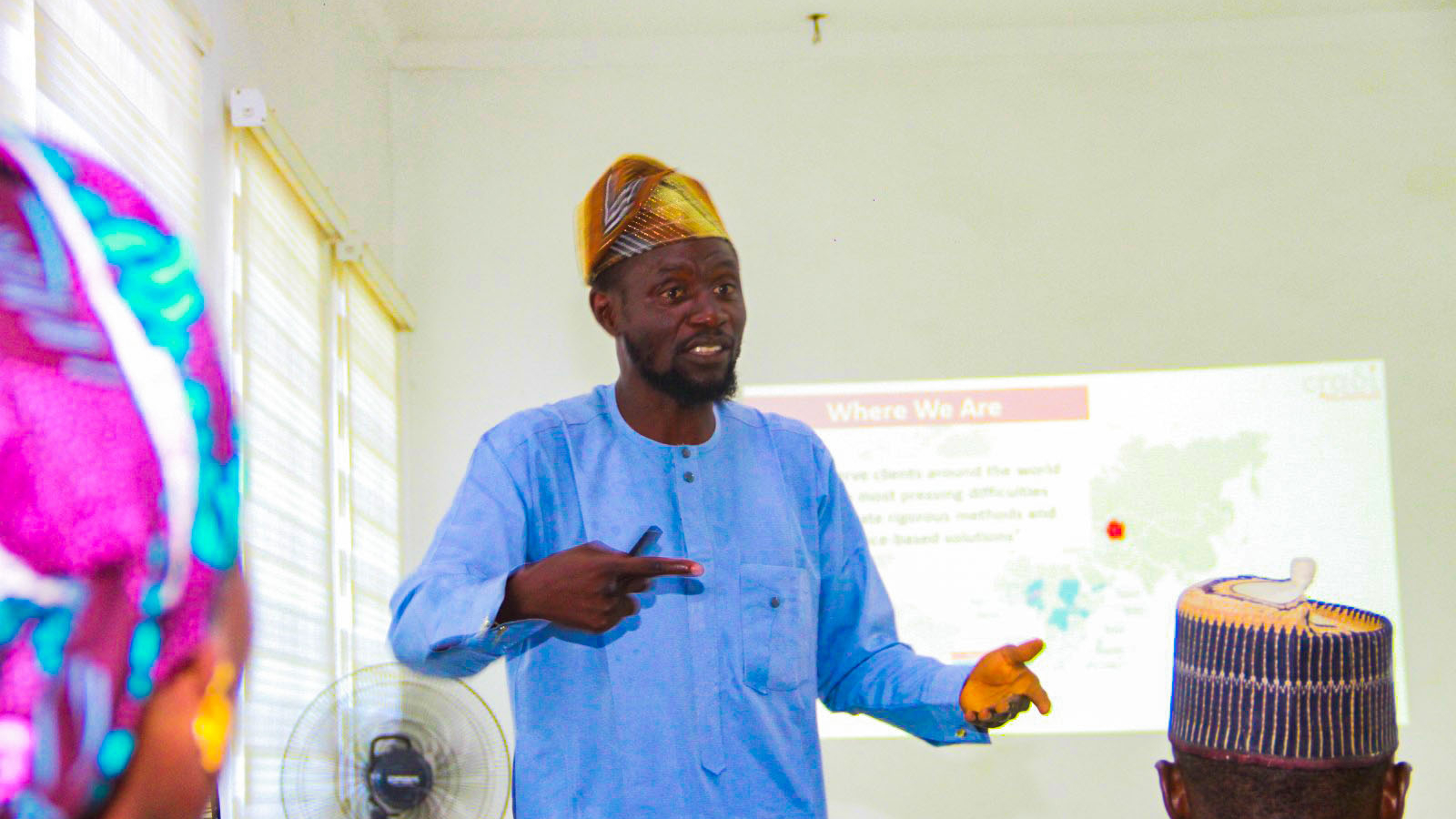
This important question emerged during the baseline evaluation of the European Union (EU) funded Social Safety Net (SOSAN) Project in Kebbi State. A Key Informant Interview (KII) with a representative of the State Operations Coordinating Unit (SOCU) Kebbi State, highlighted why stronger collaboration between government and development partners is essential for effective social protection programming.
Over the years, Kebbi State has made substantial investments in developing and maintaining the state’s Social Register that captures poor and vulnerable households across all 21 Local Government Areas (LGAs). Developed through community-based targeting, household verification, and regular updates, the register provides a credible, evidence-based database for identifying households most in need of social assistance. Despite the availability of this resource (the state Social Register), some humanitarian and development programmes continue to establish parallel beneficiary identification systems. This can increase implementation costs, create duplication, weaken targeting, and miss opportunities to strengthen existing government systems.
During the interview, SOCU encouraged Oxfam and its implementing partners, Solidarités International, Jireh Doo Foundation, and the Association of Women Living with HIV/AIDS in Nigeria (ASWHAN), INGOs, NGOs and government agencies to utilize the State Social Register in implementing upcoming interventions. According to the stakeholder, leveraging the existing register will improve targeting accuracy, promote transparency, reduce costs, and ensure that assistance reaches the poorest and most vulnerable households while reinforcing government-owned social protection systems.
The interview also emphasized that beneficiary selection should remain objective, evidence-based, and free from political influence. Effective social protection is not only about funding programmes; it is equally about investing in credible institutions, reliable data, and accountable governance. In conclusion, as Nigeria continues to expand its social protection programmes, the Kebbi experience offers a valuable lesson: lasting impact is achieved by strengthening existing systems, fostering collaboration, and using evidence to guide decision-making, not by creating parallel structures.