By: Imo Silas, Korshima
Last week, I sat in a room filled with peacebuilders, government officials, and community leaders at the SPRING Programme Annual Learning Event in Abuja. What stayed with me was not the polished presentations or carefully framed policy frameworks, but a simple observation from Barrister Chris Ngwodo: “Federal security agents rotate frequently, but insecurity is rooted locally.”
That statement captured a fundamental truth about sustainable peacebuilding in Nigeria. The drivers of conflict are deeply local, and so must be the solutions. Over two days of rich conversations and honest reflections, what emerged was not a neat blueprint for peace, but something far more valuable. We heard grounded evidence of what is working in communities, why it is working, and what it takes to sustain it.
In this piece, I share some of my key takeaways from the two-day event.
Beyond Putting Women in the Room
 Lantana Abdullahi from the Women for Positive Peacebuilding Initiative posed a question that challenged everyone present to think more deeply. She asked whether it is truly enough to include women, or whether we must ask which women are included and whether they have real influence over decisions.
Nigeria has close to twenty state action plans on Women, Peace and Security. On paper, this appears impressive. In practice, the impact depends entirely on whether these plans translate into real power, voice, and agency for women at the community level.
Drawing from her experience, Abdullahi explained that involving women in decisions around resource allocation did more than improve fairness. It transformed accountability. When women helped shape the rules, communities adhered to those rules differently. The lesson was clear. Peace processes that sideline women are not only unjust, they are less effective.
The Invisible Wound
One of the most sobering contributions came from Dr Maji Peterz of Carefronting Nigeria, who drew attention to the often neglected issue of mental health. He warned that without deliberate attention to psychological wellbeing, the effects of trauma will surface more forcefully in the years ahead.
Communities affected by conflict across Nigeria have lived through displacement, loss, and violence. Yet peacebuilding efforts frequently prioritize reconciliation and coexistence without creating adequate space for healing. Dr Peterz described efforts to support communities in processing trauma and rebuilding emotional resilience, emphasizing that this work is not an optional addon to peacebuilding.
Mental health support is foundational. Communities burdened by unaddressed trauma struggle to sustain peace, regardless of how well designed other interventions may be. Without healing, cycles of fear, mistrust, and violence are likely to re-emerge in new forms.
Young People Know What We Do Not
Noya Sedi from Global Rights offered a reminder that felt obvious once it was said. Young people are often the first to know when violence is occurring or when drug abuse is spreading within a community. Survivors frequently confide in peers long before approaching elders or authorities.
When young people are excluded from designing solutions, vital entry points for prevention are missed. This insight connected strongly with the keynote message from Dr Richard Montgomery, the British High Commissioner to Nigeria, who reminded participants that peace is not a single event but an ongoing process.
Young people are not only future leaders. They are current intelligence assets with access to networks and information that others simply do not have. Treating them solely as beneficiaries, rather than partners, limits the effectiveness of peace efforts.
Peace Does Not Stop at State Lines
Another powerful lesson from the event was the recognition that conflict dynamics do not respect administrative boundaries. Grazing routes extend across states. Criminal networks operate across borders. Climate impacts and resource pressures spill from one community to another.
Josephine Habba emphasized that peacebuilding efforts in Benue must also engage boundary communities in Nasarawa, because conflict flows freely across those lines. Many programmes are designed within neat jurisdictional limits, but lived realities are far messier.
For the herder whose cattle are stolen or the farmer whose crops are destroyed, state boundaries are irrelevant. The most effective interventions discussed during the event were those that deliberately addressed these cross-border dynamics rather than ignoring them.
What this Means Going Forward
 The most important takeaway from the event is that there is no universal blueprint for peace. What works in Kaduna may not work in Plateau. The common thread is not a specific intervention, but an approach rooted in local knowledge, evidence-based adaptation, and institutions that enable communities rather than dominate them. Sustainable peace emerges when solutions are designed with communities, not imposed on them.
The Conversation Continues
What community led peace innovations have you witnessed? How is your organization building local capacity that continues long after project timelines end? We invite you to share your experiences with us at research@cradi.org or connect with us through our social media platforms.


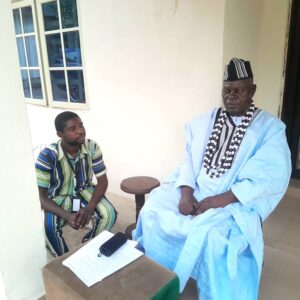 In Nigeria’s Middle Belt, the lines between a climate crisis and a conflict crisis are blurring. As fertile land and water become scarcer, competition intensifies, threatening the peace that communities in states like Benue and Plateau desperately need.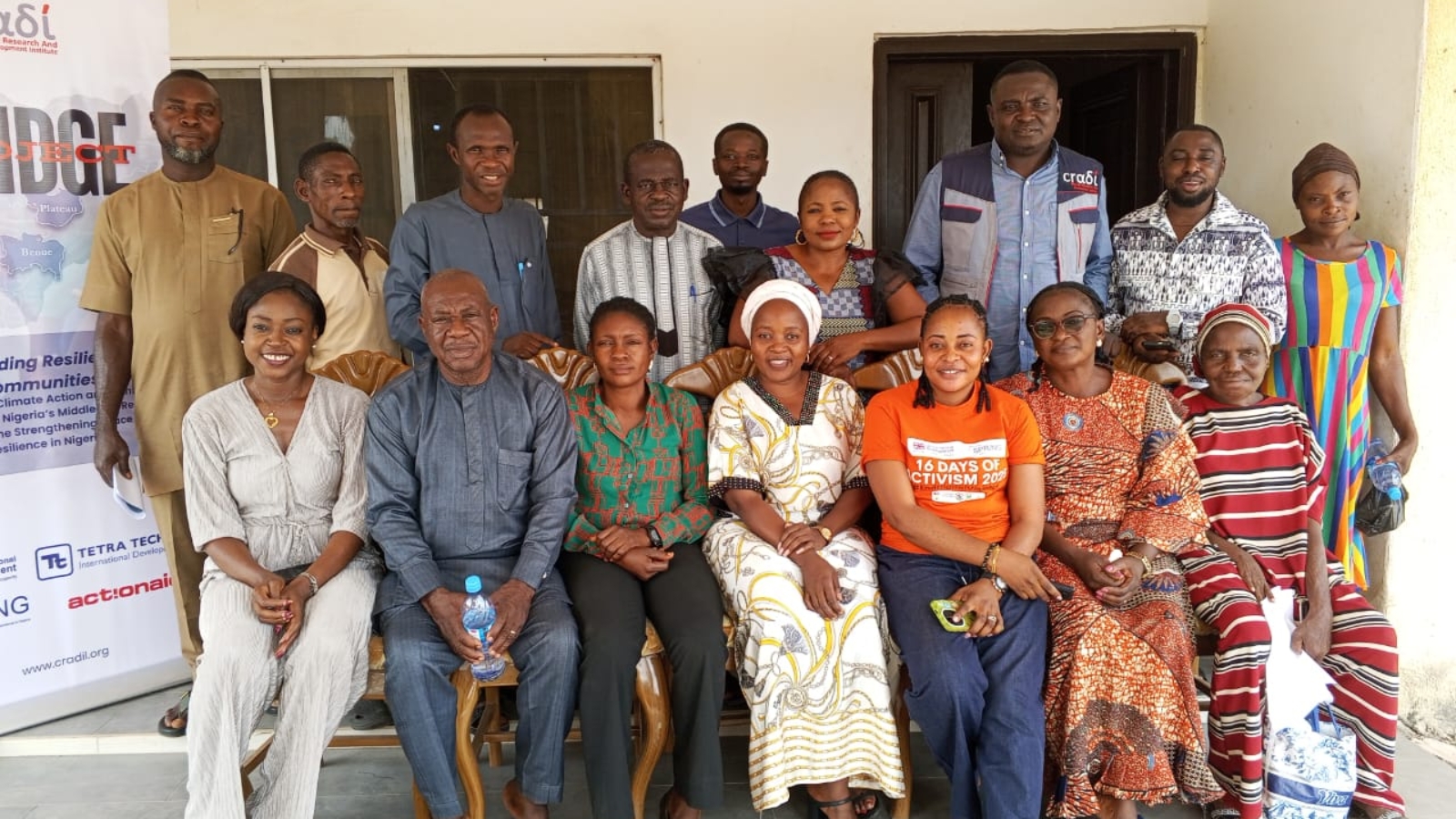
 The Building Resilient Communities: Integrated Climate Adaptation and Conflict Mitigation in Nigeria’s Middle-Belt Region
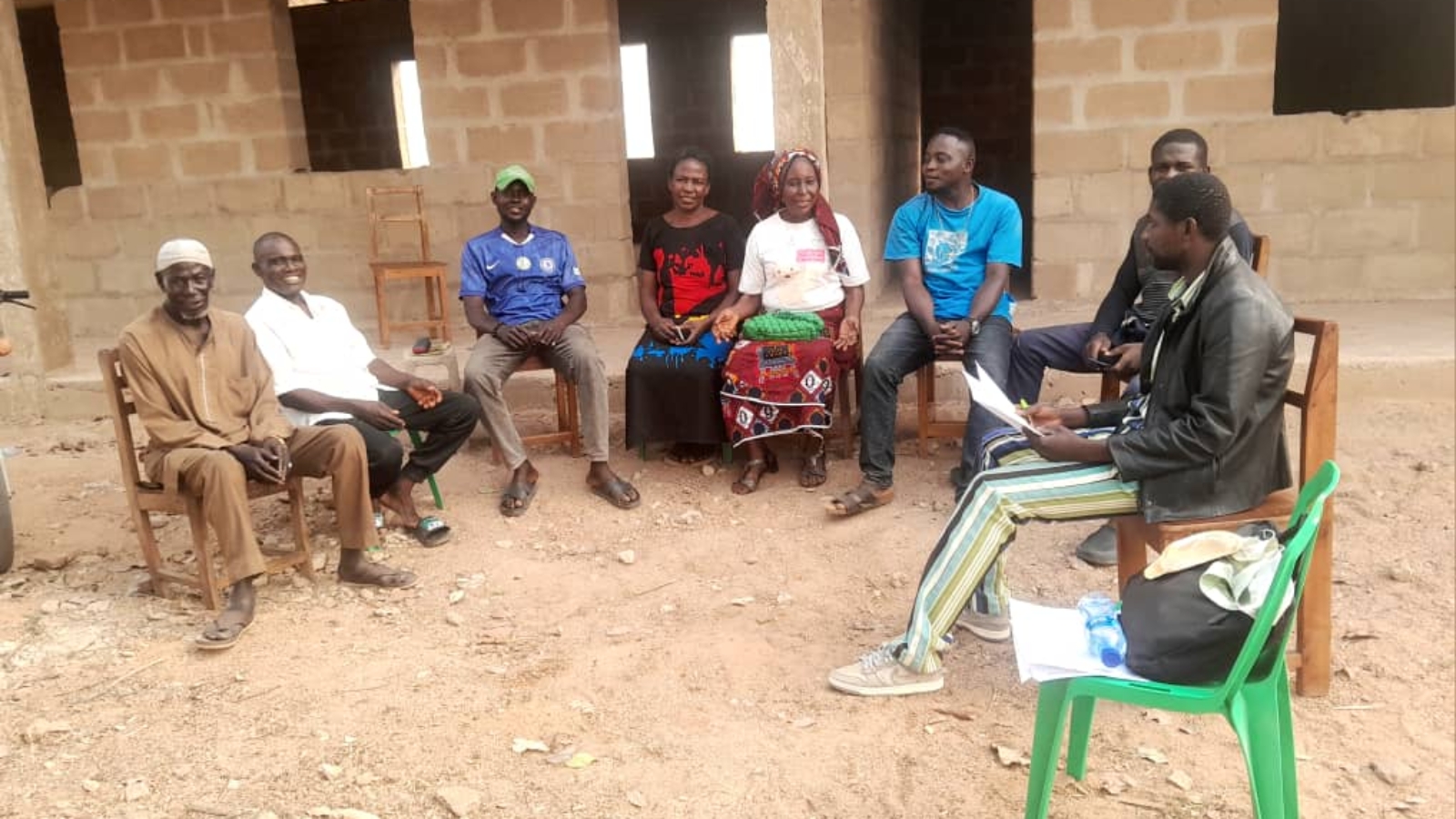
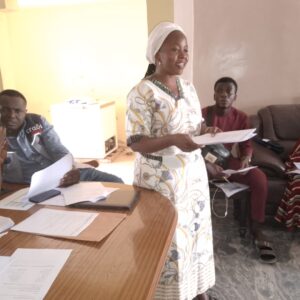
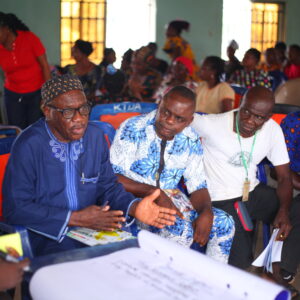 shared memories of how their fields and rivers once behaved. They described streams that no longer flow throughout the year and soils that respond differently to planting. Women spoke about the pressure these changes place on their homes, their farms and their ability to provide food. They explained how sudden dry spells, erosion and new pest outbreaks are stretching the resources of many households. Youth voiced concerns about what lies ahead for their generation. They spoke about extreme heat, water scarcity, flooding and land degradation that threaten both farming and the wider community. Although each group entered the room with different experiences, their concerns pointed to the same reality. Farming inputs are becoming too expensive. Water is harder to access. Road networks make it difficult to reach markets, and agricultural extension services are not consistent enough to support farmers as they adapt to new conditions. Yet, despite these shared difficulties, the atmosphere was hopeful rather than discouraged.
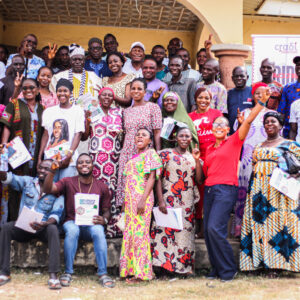 g, learning safer agricultural practices and mobilising other young people to protect the environment. These ideas flowed naturally because they were rooted in the community’s lived experience.