By Francis Emmanuel Tsaku, Research Coordinator, OXFAM Baseline Evaluation of EU-SOSAN Project, Kebbi State
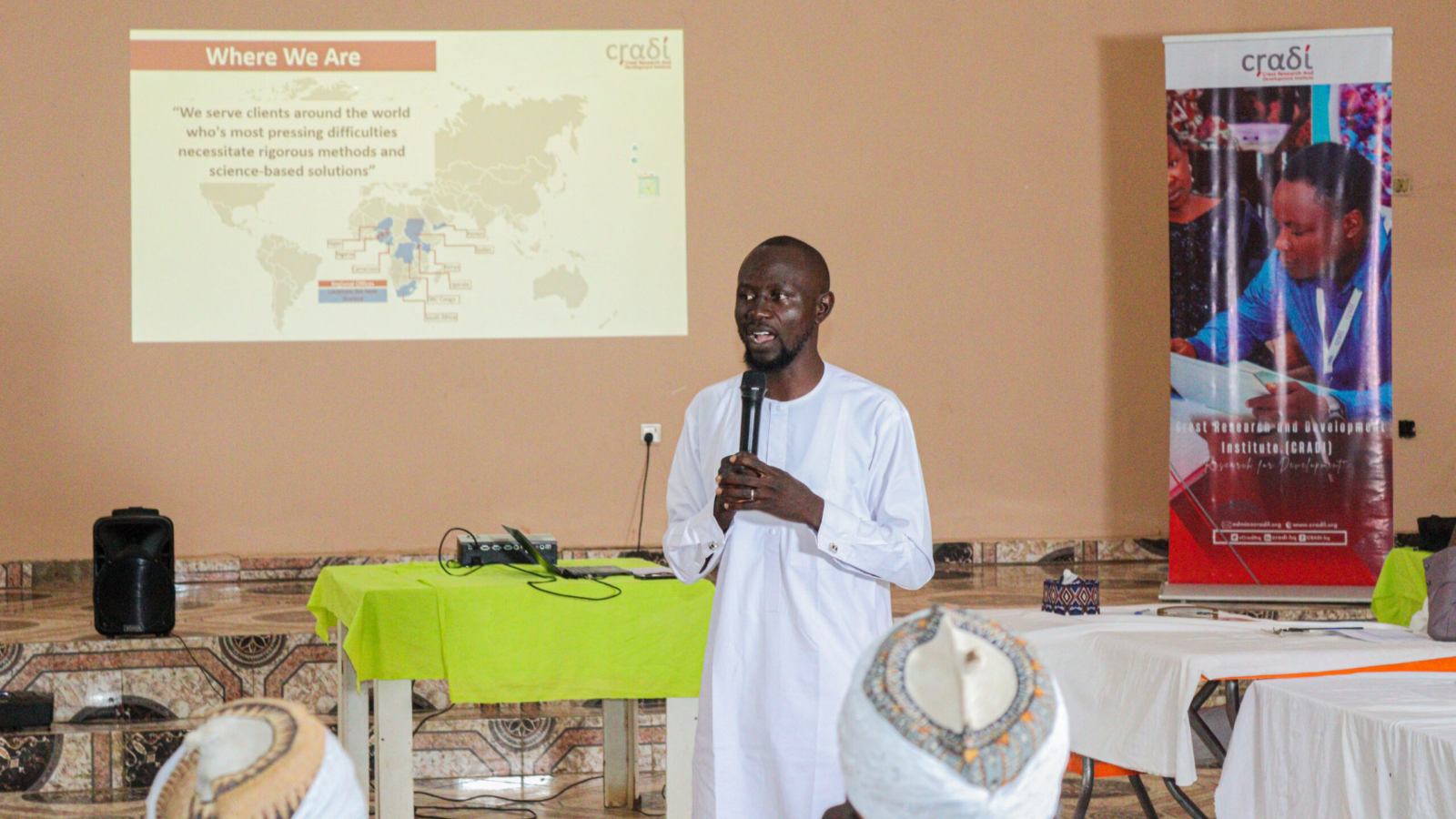
On 29 July 2026, the Crest Research and Development Institute (CRADI), in collaboration with OXFAM and its consortium partners, Solidarités International (SI), Jireh Doo Foundation (JDF), and the Association of Women Living with HIV/AIDS in Nigeria (ASWHAN) successfully convened the Validation Workshop for the European Union (EU) Support to Social Safety Nets (SOSAN) Project in Kebbi State.
The workshop brought together stakeholders from the Ministries of Budget and Economic Planning, Agriculture, Livestock Development, and Women Affairs; the State Emergency Management Agency (SEMA); the National Social Safety Nets Coordinating Office (NASSCO); traditional and religious leaders; and the Research Assistants who participated in the validation. Participants reviewed the findings and recommendations of the assessment, providing key insights that strengthened the quality, and relevance of the report. Beyond validating the findings, the workshop promoted stakeholder ownership and strengthened collective commitment to improving the implementation of the EU SOSAN Project in Kebbi State.
Key Institutional Learning:
One of the key lessons from the validation process was the importance of directly engaging State Bureaus of Statistics during research, assessments and evaluations. During the validation workshop, the representative of the Kebbi State Bureau of Statistics observed that the Bureau had not been directly consulted during the assessment because it operates under the Ministry of Budget and Economic Planning, which had already been engaged. However, stakeholders emphasized that the Bureau serves as the state’s central source for official data and serves as the primary point of contact for government institutions, development partners, and research organisations seeking credible and up-to-date information. This highlighted the importance of engaging the Bureau as a distinct stakeholder, as its involvement enhances data quality, strengthens institutional ownership, and promotes credibility and acceptance of research findings.
The learning reinforced the importance of broadening stakeholder mapping beyond supervising ministries to include specialised technical institutions that play strategic roles in data governance. Recognising this gap, CRADI undertook a follow-up engagement with the Kebbi State Bureau of Statistics. The Bureau reviewed the assessment report, provided constructive feedback, and formally endorsed the findings. This engagement not only strengthened the credibility of the assessment but also established a stronger institutional relationship for future collaboration.
CRADI’s Way Forward:
As a research and evidence-based organisation, CRADI is committed not only to generating high-quality data but also ensuring that research findings contribute to better policies and development programming. Going forward, CRADI will intentionally engage State Bureaus of Statistics across Nigeria, in all future assessments and research assignments across Nigeria. Where approved by project clients, final reports and datasets will also be shared with these institutions to support evidence-based planning, promote knowledge sharing, and strengthen institutional data systems.
Learning in Practice: Meaningful stakeholder validation goes beyond verifying findings, it creates opportunities to strengthen partnerships, improve institutional coordination, and enhance the quality, ownership, and long-term value of research evidence.