Application Type:
Project location: Plateau State
Project Duration: 1 year
Application Deadline: May 28, 2025
Introduction
Organisational Profile
Crest Research and Development Institute (CRADI), is a Pan African independent, non-profit research institute dedicated to improving the human condition through evidence-based research, human capital development, and developmental aid. We seek to advance humanity through research, sustainable development, and learning by adopting a multidisciplinary, community-friendly, and ethic-driven approach to support independent, high-quality research with an impact on business development, the public sector, civil society, and communities of focus.
Our work allows us to address the world’s most pressing issues with context and evidence-based solutions. Institutions rely on us to provide answers to challenges that require an objective, integrative, and multidisciplinary approach-one that brings together expertise from the social sciences and international development. Registered in Uganda and Nigeria, the institute partners with appropriate research, development, communications, and governance institutions. Team members include people drawn from the academia, civil society, public and private sectors, as well as practitioners in various fields of endeavor who are concerned about the socio-political and economic problems of Africa.
Project Summary
The BRIDGE project is a one-year proposed project designed and submitted to FCDO and Tetra-Tech SPRING to address the intertwined challenges of climate change, natural resource-based conflicts, and social vulnerability in Plateau State, Nigeria. The project focuses on enhancing community resilience and social cohesion through strengthened conflict resolution mechanisms, capacity building, and inclusive land and resource management policies. It promotes climate-resilient agricultural practices, disaster preparedness, and early warning systems while prioritizing the inclusion of women, youth, and marginalized groups. Expected outcomes include reduced resource-based conflicts, improved livelihoods, and increased trust and cooperation among community groups.
This call for application is in anticipation of the final award of contract by the donor.
POSITIONS AND RESPONSIBILITIES
CRADI seeks expression of interest from qualified candidates for the following positions:
- Project Manager
Position Summary:
The Project Manager will provide overall leadership, strategic direction, and management for the BRIDGE Project. He/She will oversee program planning, implementation, monitoring, and reporting, ensuring activities align with project goals, donor requirements, and national policies.
This is a full-time position, anticipated to last for one year with the possibility of renewal and is
based in Jos, Plateau State, Nigeria. This position is contingent upon award of contract by the donor.
Key Responsibilities:
- Lead the planning, coordination, and execution of all project activities.
- Liaise with government agencies, partners, and stakeholders to ensure project objectives are met.
- Manage project staff, ensuring high performance and professional development.
- Prepare high-quality progress reports and represent the project at external forums.
- Lead the development and execution of annual work plans, implementation strategies, and risk management plans.
- Facilitate coordination between internal teams and external stakeholders, including donors, ministries, and civil society.
- Oversee compliance with project standards, timelines, and budgets.
- Promote innovation, learning, and continuous improvement within the team.
- Ensure documentation and dissemination of lessons learned, success stories, and best practices.
- Provide mentoring and coaching to project staff to enhance their technical and leadership capacities.
- Organize periodic reflection and strategic review sessions to assess project performance and staff growth.
- Lead donor engagement and reporting, ensuring transparency and accountability.
- Provide additional support as requested by the line manager
Qualifications and Experience:
- Master’s degree in Project Management, Development Studies, Peace and conflict studies, Environmental Studies, or related field.
- Minimum of 7 years of project management experience, preferably in climate resilience, peacebuilding, or development programs.
- Strong leadership, communication, and stakeholder engagement skills.
- Management and supervisory experience.
- Established excellence in written communication, including the preparation of complex documents to meet strict deadlines
- Strong personal communication skills, ability to facilitate liaison between different sectors.
- Good financial, budget and grant management skills.
- Ability to work and travel in difficult conditions.
- Ability to work with diverse team members.
- Good training skills, with a proven ability to build the capacity of others in report writing.
- MERL (Monitoring, Evaluation, Research, and Learning) Manager
Position Summary:
The MERL Manager will design and provide technical oversight in ensuring the implementation of the project’s monitoring, evaluation, research, and learning framework to track project progress, assess impact, and ensure adaptive learning throughout the project lifecycle.
This position is anticipated to last for one year with the possibility of renewal and is
based in Jos, Plateau State, Nigeria. This position is contingent upon award of contract by the donor.
Key Responsibilities:
- Design, refine and implement the project’s MERL framework, including performance indicators and data collection tools.
- Manage data collection, analysis, and reporting processes.
- Ensure compliance with donor reporting requirements and data quality standards.
- Lead the design and implementation of qualitative and quantitative assessments (baseline, midline, endline, impact evaluations).
- Train field staff and partners on data collection, analysis, and reporting techniques.
- Facilitate quarterly learning and reflection meetings, contributing to adaptive management.
- Develop learning products (briefs, reports, presentations) for various stakeholders.
- Establish feedback and accountability mechanisms to ensure participatory evaluation processes.
- Ensure data quality assurance through regular audits and field supervision.
- Support staff in building data literacy and evaluation capacity for career advancement.
- Any other duty as assigned by the project management team.
Qualifications and Experience:
- Good training skills, with a proven ability to build the capacity of others in report writing.
- Master’s degree in Monitoring and Evaluation, Statistics, Economics, Development Studies, or related discipline.
- Minimum of 5–7 years of experience in designing and managing M&E systems in development projects, with experience in both quantitative and qualitative research.
- Minimum of 5 years of M&E experience in international development projects
- Proficiency in data management and analysis software such as SPSS, STATA, R, Excel, and data visualization tools like Power BI or Tableau.
- Experience leading evaluations and assessments, including baseline and endline surveys.
- Strong skills in data quality assurance, learning agenda development, and participatory M&E approaches.
- Experience building capacity of field staff and partners in data collection and analysis.
- Good financial, budget and grant management skills
- Ability to work and travel in difficult conditions
- Ability to work with diverse team members
- Conflict and Climate Change Management Specialist
Position Summary:
The Conflict and Climate Change Management Specialist will provide technical expertise on integrating conflict sensitivity and climate adaptation approaches into project activities.
This position is anticipated to last for one year with the possibility of renewal and is
based in Jos, Plateau State, Nigeria. This position is contingent upon award of contract by the donor.
Key Responsibilities:
- Lead conflict analysis and climate risk assessments.
- Support the design of interventions promoting peaceful resource management.
- Train staff and partners on conflict-sensitive programming and climate resilience.
- Develop tools and frameworks for conflict mitigation and climate adaptation.
- Provide ongoing technical advice to field teams and stakeholders.
- Conduct participatory conflict mapping and climate vulnerability assessments across project sites.
- Design and mainstream conflict-sensitive and climate-resilient approaches into sectoral activities (agriculture, land use, pastoralism).
- Support the development of inclusive land-use frameworks in collaboration with local authorities.
- Develop training materials and deliver capacity building for staff, community leaders, and local government actors.
- Provide technical support and quality assurance for conflict/climate-related components.
- Facilitate multi-stakeholder dialogues and peacebuilding forums.
- Document and share innovative practices and policy recommendations related to climate-conflict nexus.
- Mentor junior staff and interns on conflict analysis tools, Do-No-Harm, and environmental sustainability.
- Any other duty as assigned by the project management team.
Qualifications and Experience:
- Master’s degree in Peace and Conflict Studies, Climate Change, Environmental Management, or a related field.
- Strong analytical and facilitation skills.
- At least 5–7 years of relevant experience designing or supporting conflict mitigation and climate adaptation programs.
- In-depth knowledge of climate risk management, conflict transformation strategies, land governance, and natural resource conflict dynamics.
- Experience conducting conflict analysis, peacebuilding forums, or climate vulnerability assessments in conflict-prone or rural communities.
- Strong facilitation and training skills, with demonstrated experience in building capacity of diverse stakeholder groups.
- Ability to work and travel in difficult conditions
- Ability to work with diverse team members
- Program Specialist
Position Summary:
The Program Specialist will support project implementation, coordination, and stakeholder engagement, ensuring the delivery of high-quality project activities across intervention sites.
This position is anticipated to last for one year with the possibility of renewal and is
based in Jos, Plateau State, Nigeria. This position is contingent upon award of contract by the donor.
Key Responsibilities:
- Support the Project Manager in planning and coordinating field activities.
- Liaise with local partners and communities to ensure effective project delivery.
- Contribute to program design, budgeting, and reporting.
- Support training, capacity-building, and advocacy efforts.
- Conduct participatory conflict mapping and climate vulnerability assessments across project sites.
- Design and mainstream conflict-sensitive and climate-resilient approaches into sectoral activities (agriculture, land use, pastoralism).
- Support the development of inclusive land-use frameworks in collaboration with local authorities.
- Develop training materials and deliver capacity building for staff, community leaders, and local government actors.
- Provide ongoing technical backstopping and quality assurance for conflict/climate-related components.
- Facilitate multi-stakeholder dialogues and peacebuilding forums.
- Document and share innovative practices and policy recommendations related to climate-conflict nexus.
- Mentor junior staff and interns on conflict analysis tools, Do-No-Harm, and environmental sustainability.
- Any other duty as assigned by the project management team.
Qualifications and Experience:
- Bachelor’s degree (minimum) or Master’s degree (preferred) in International Development, Peace and Conflict Studies, Rural Development, Public Administration, or a related field.
- Minimum of 3–5 years of experience in project implementation or coordination roles in a development or humanitarian setting.
- Demonstrated knowledge of climate resilience, livelihoods, and peacebuilding programs.
- Experience supporting multi-stakeholder platforms and working with community-based organizations.
- Strong report writing, coordination, and administrative skills.
- Ability to manage competing priorities, work under pressure, and ensure accountability.
- Ability to work and travel in difficult conditions
- Ability to work with diverse team members
- Finance and Admin Associate
Position Summary:
The Finance and Admin Associate will provide financial management, administrative, and logistical support to ensure smooth project operations. The ideal candidate will ensure compliance with internal policies and statutory regulations while contributing to the strategic efficiency of the finance department.
This position is anticipated to last for one year with the possibility of renewal and is
based in Jos, Plateau State, Nigeria. This position is contingent upon award of contract by the donor.
Key Responsibilities:
- Maintain financial records and manage project budgets and expenditures.
- Support procurement, logistics, and inventory management.
- Prepare financial reports in compliance with organizational and donor requirements.
- Ensure adherence to internal controls and audit requirements.
- Provide general administrative support to the project team.
- Oversee day-to-day financial operations including accounts payable/receivable, bank reconciliations, and payroll.
- Prepare and monitor monthly, quarterly, and annual budgets.
- Ensure timely, accurate financial reporting in line with Nigerian regulations and international standards.
- Develop financial models and forecasts to support business planning.
- Coordinate internal and external audits.
- Maintain compliance with financial policies and controls.
- Stay updated on financial legislation and best practices.
- Liaise with banks, tax authorities, and financial institutions.
- Support donor reporting and project-based accounting.
- Promote financial integrity and strong internal control systems
- Any other duty as assigned by the project management team.
Qualifications and Experience:
- Bachelor’s degree in Accounting, Finance, Business Administration, or related field.
- Minimum of 3 years of experience in finance and administration.
- Proficiency in accounting software (e.g QuickBooks, Sage) and MS Office applications.
- Professional qualifications such as ICAN, ACCA, or CPA (part-qualified or fully qualified) are an asset.
- Proficiency in accounting software such as QuickBooks, Sage, or ERP systems.
- Solid knowledge of financial reporting, procurement guidelines, and donor compliance standards.
- Demonstrated ability to maintain accurate records, prepare financial reports, and manage logistics effectively.
- Strong knowledge of Nigerian tax laws, IFRS, and financial regulations.
- Strong Excel and analytical skills.
- Excellent communication, organizational, and leadership abilities.
- High level of integrity and attention to detail.
- Ability to work and travel in difficult conditions
- Ability to work with diverse team members
- Gender Equality and Social Inclusion (GESI) Associate
Position Summary:
The GESI Associate will ensure that gender equality and social inclusion considerations are mainstreamed across all aspects of the project.
This position is anticipated to last for one year with the possibility of renewal and is
based in Jos, Plateau State, Nigeria. This position is contingent upon award of contract by the donor.
Key Responsibilities:
- Conduct gender and social inclusion analysis and integrate findings into project activities.
- Support capacity building of project staff and partners on GESI approaches.
- Support the Project Manager in planning and coordinating field activities.
- Develop and implement GESI action plans and monitor progress.
- Promote inclusive participation of women, youth, and marginalized groups in project activities.
- Develop and implement a project-specific GESI action plan and update it annually.
- Train staff and community partners on gender-sensitive programming and inclusive practices.
- Track GESI indicators and report progress in quarterly and annual reports.
- Collaborate with MERL and Program teams to ensure GESI integration into all monitoring tools.
- Identify barriers to participation among women, youth, persons with disabilities, and other excluded groups and propose solutions.
- Support mentorship and leadership opportunities for women and youth within project communities.
- Facilitate internal learning sessions to enhance staff knowledge of evolving GESI frameworks.
- Any other duty as assigned by the project management team.
Qualifications and Experience:
- Bachelor’s degree in Gender Studies, Social Sciences, Development Studies, or related field.
- At least 2 years of experience working on gender and social inclusion in development programs.
- Strong understanding of GESI frameworks and practices.
- Strong understanding of gender mainstreaming tools, inclusive development principles, and intersectional analysis.
- Experience conducting gender analyses and working with community-based women’s or minority groups.
- Excellent facilitation and training skills, particularly in community-driven gender and inclusion approaches.
- Ability to work and travel in difficult conditions
- Ability to work with diverse team members
- Communication Associate
Position Summary:
The Communication Associate will support the development and dissemination of internal and external communications to raise the visibility of the project and document its achievements.
This position is anticipated to last for one year with the possibility of renewal and is
based in Jos, Plateau State, Nigeria. This position is contingent upon award of contract by the donor.
Key Responsibilities:
- Develop high-quality communication materials, including success stories, newsletters, and social media content.
- Support the documentation of lessons learned, best practices, and case studies.
- Manage digital platforms and ensure timely, relevant updates on project progress.
- Work closely with MERL and Program teams to translate data and field results into accessible stories and reports.
- Capture success stories and visual documentation through field visits and interviews.
- Build the communication capacity of field staff through training and editorial support.
- Monitor media trends and propose innovative ways to improve outreach.
- Represent the project in communications forums and support visibility events.
Qualifications and Experience:
- Bachelor’s degree in Communications, Journalism, Public Relations, or related field.
- At least 2 years of experience in communication roles, preferably in development projects.
- Excellent writing, editing, and digital communication skills.
- Proven ability to develop communication strategies, manage digital platforms, and produce multimedia content.
- Proficiency in content creation tools (e.g., Adobe Creative Suite, Canva, WordPress), and strong storytelling skills.
- Experience working with diverse teams and communicating complex technical ideas to non-specialist audiences.
- Excellent writing, editing, photography, and interpersonal communication skills.
- Ability to work and travel in difficult conditions
- Ability to work with diverse team members
- Any other duty as assigned by the project management team.
Travel
The candidates must be resident in the chosen country and be willing and able to travel to local and difficult terrains within the project location.
Equal Opportunity
CRADI is an equal opportunity employer and does not discriminate in its selection and employment practices on the basis of race, color, religion, sex, national origin, political affiliation, sexual orientation, gender identity, marital status, disability, genetic information, age, membership in an employee organization, or other non-merit factors. Qualified women are strongly encouraged to apply. CRADI recruitment and selection procedures reflect our commitment to protecting children and vulnerable adults from abuse and exploitation.
How to Apply
Interested candidates should kindly fill the application form here. Applications must reach us on or before 28th May 2025. Only candidates who have been selected for an interview will be contacted.



 Lantana Abdullahi from the Women for Positive Peacebuilding Initiative posed a question that challenged everyone present to think more deeply. She asked whether it is truly enough to include women, or whether we must ask which women are included and whether they have real influence over decisions.
 The most important takeaway from the event is that there is no universal blueprint for peace. What works in Kaduna may not work in Plateau. The common thread is not a specific intervention, but an approach rooted in local knowledge, evidence-based adaptation, and institutions that enable communities rather than dominate them. Sustainable peace emerges when solutions are designed with communities, not imposed on them.
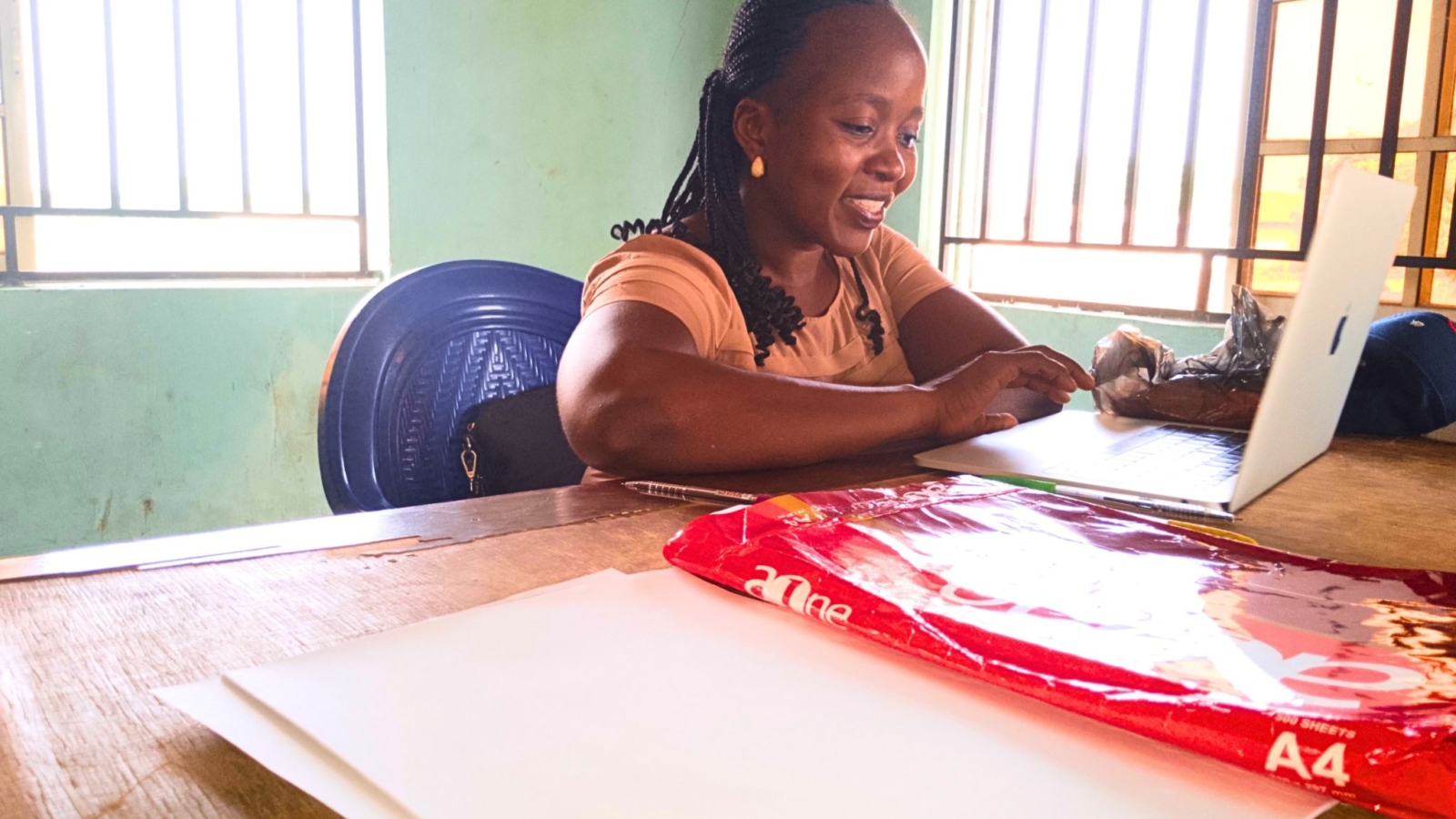
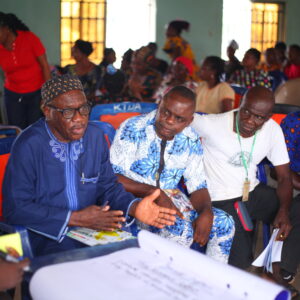 shared memories of how their fields and rivers once behaved. They described streams that no longer flow throughout the year and soils that respond differently to planting. Women spoke about the pressure these changes place on their homes, their farms and their ability to provide food. They explained how sudden dry spells, erosion and new pest outbreaks are stretching the resources of many households. Youth voiced concerns about what lies ahead for their generation. They spoke about extreme heat, water scarcity, flooding and land degradation that threaten both farming and the wider community. Although each group entered the room with different experiences, their concerns pointed to the same reality. Farming inputs are becoming too expensive. Water is harder to access. Road networks make it difficult to reach markets, and agricultural extension services are not consistent enough to support farmers as they adapt to new conditions. Yet, despite these shared difficulties, the atmosphere was hopeful rather than discouraged.
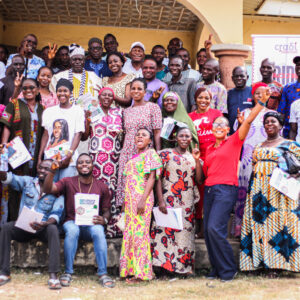 g, learning safer agricultural practices and mobilising other young people to protect the environment. These ideas flowed naturally because they were rooted in the community’s lived experience.