By: Bandin Glory Joseph
In Buruku, Benue State, climate change is not tracked by charts or forecasts. community members see changes in the form of dry riverbeds, shrinking harvests, and seasons that no longer follow familiar patterns. For many families, these changes are not just environmental, they shape livelihoods, daily choices, and growing pressure over shared resources like land and water.
Community members championed a walk to create awareness of the evolving climatic conditions and the need to remain resilient. On this day, awareness moved beyond meeting rooms and onto the streets. As part of the BRIDGE Project’s community road walk, advocacy shifted from discussion to action, stretching from the busy Buruku market down to the bridge over the Buruku River, a vital lifeline and, at times, a contested resource.
Led by BRIDGE project team and 57 trained members of the Local Dialogue Platforms (LDPs), the walk transformed everyday public spaces into places of conversation. Market traders paused, cyclists slowed, commuters listened. The message was simple but urgent: climate stress can fuel tension, but communities have the power to respond early and peacefully.
What made the Buruku walk especially powerful was who was leading it.
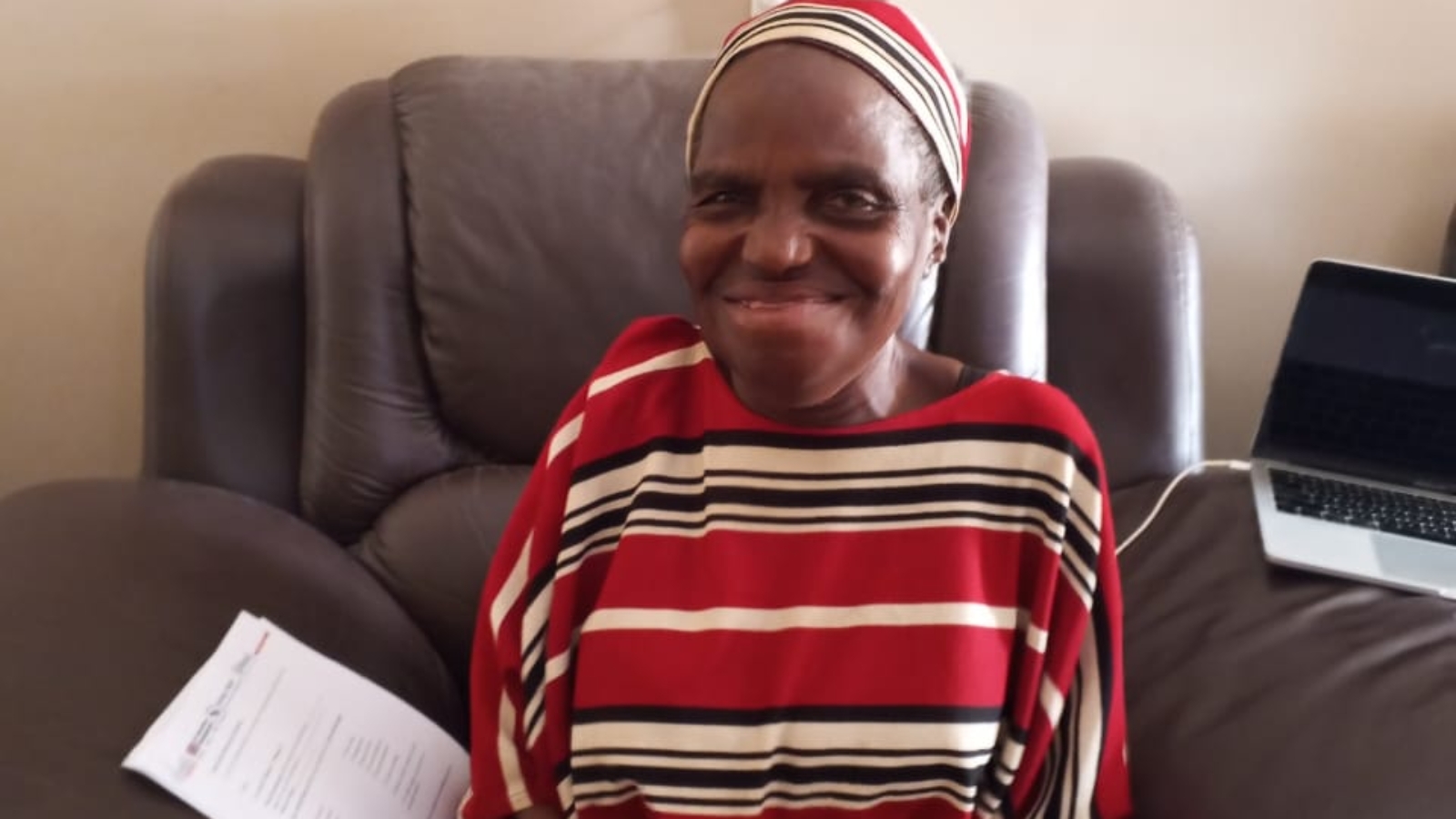
Among the LDP members were persons with disabilities (PWDs), stepping forward not as symbolic participants, but as confident mobilisers and educators. Backed by training on climate-smart practices, early warning, and conflict-sensitive resource management, they spoke from experience, both lived and learned.
“Before, we practiced dry-season farming on a very small scale,” shared Lami Njei, a PWD “But with the knowledge gained, we have expanded our cassava farm.”
Her words landed because they reflected action, not theory. They reinforced a key idea running through the walk: resilience is practical, and when livelihoods become more secure, the risk of conflict reduces.
Rather than gathering people in a hall, the team met Buruku where daily life unfolds, engaging farmers, traders, youth, cyclists, and passers-by through open conversations supported by flyers, banners, and local languages. These exchanges made the links between climate change, resource competition, and social tension easy to grasp, while also highlighting practical ways communities can respond. The visible leadership of persons with disabilities at the centre of these interactions shifted perceptions and built trust quickly. As they explained early warning mechanisms and shared personal examples of adaptation, community members listened with attention and respect. Although the road walk followed a simple format used elsewhere, its impact in Buruku was shaped by inclusive leadership and local context. The message resonated clearly: while climate change continues to test communities, inclusion strengthens their response. When everyone, regardless of ability can understand the risks, apply the solutions, and lead the conversation, peace becomes something communities actively build together. In Buruku, many voices walked with one message: climate resilience and peace grow strongest when no one is left behind.