By: Bandin Glory Joseph
The Building Resilient Communities: Integrated Climate Adaptation and Conflict Mitigation in Nigeria’s Middle-Belt Region (BRIDGE) project represents a deliberate commitment to strengthening community-led responses to climate change and conflict. Implemented in Plateau and Benue States, the project recognises that communities are not just victims of climate impacts; they are critical actors in observing, interpreting, and responding to risk.
The first phase of this intervention, implemented in December 2025, was designed to lay the foundation for community-based early warning. At this stage, the focus was not on data reporting but on building structures, clarifying roles, and ensuring that communities clearly understood how early warning systems will function once fully activated.
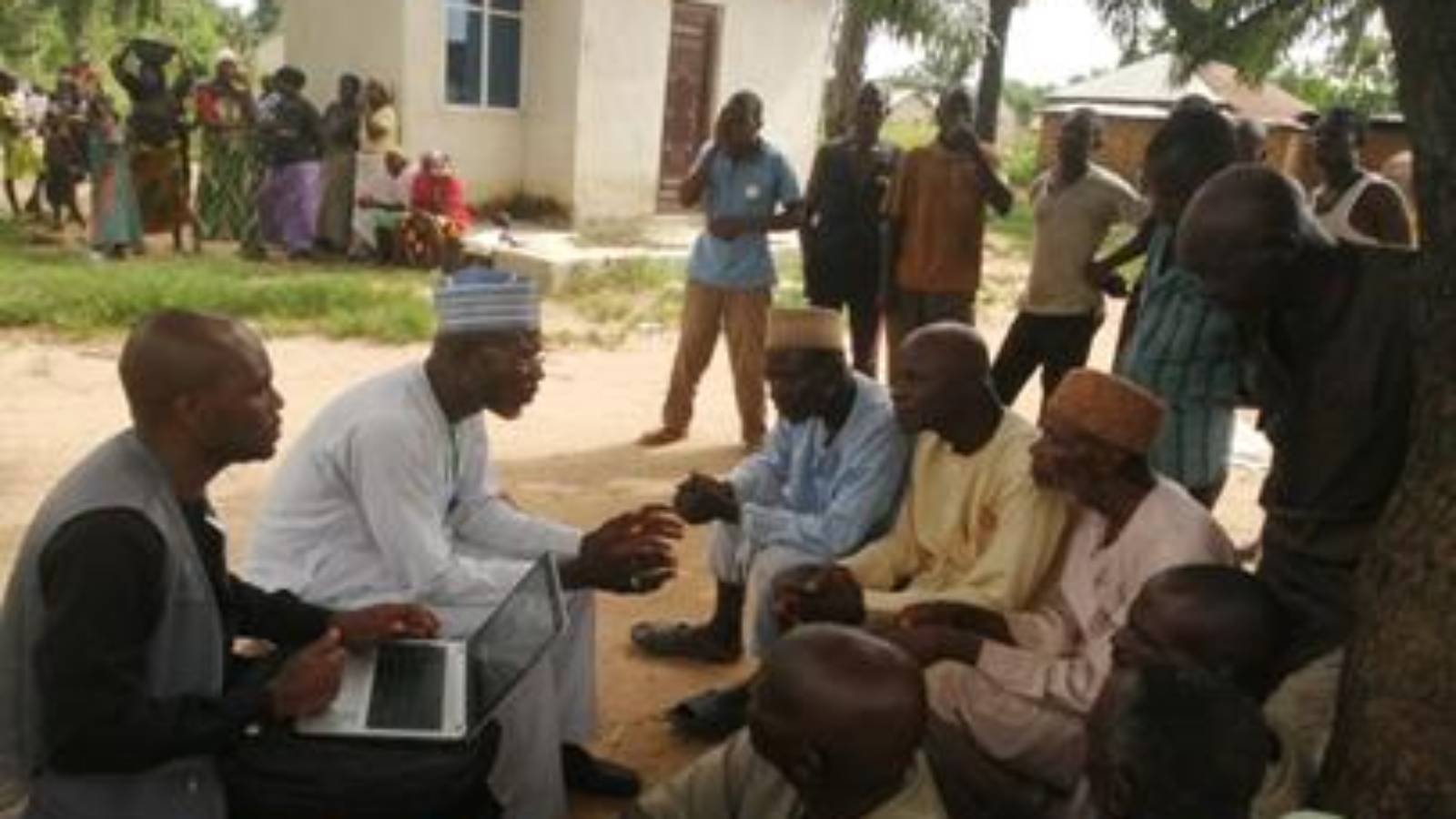
Across Jos-North and Bokkos Local Government Areas in Plateau State, and Buruku Local Government Area in Benue State, farmers, women leaders, youth, pastoralists, and persons with disabilities came together to identify climate and environmental risks affecting their livelihoods. Flooding, drought, erosion, heatwaves, bush burning, and environmental degradation were not discussed as abstract concepts, but as lived realities shaped by daily experience and indigenous knowledge.
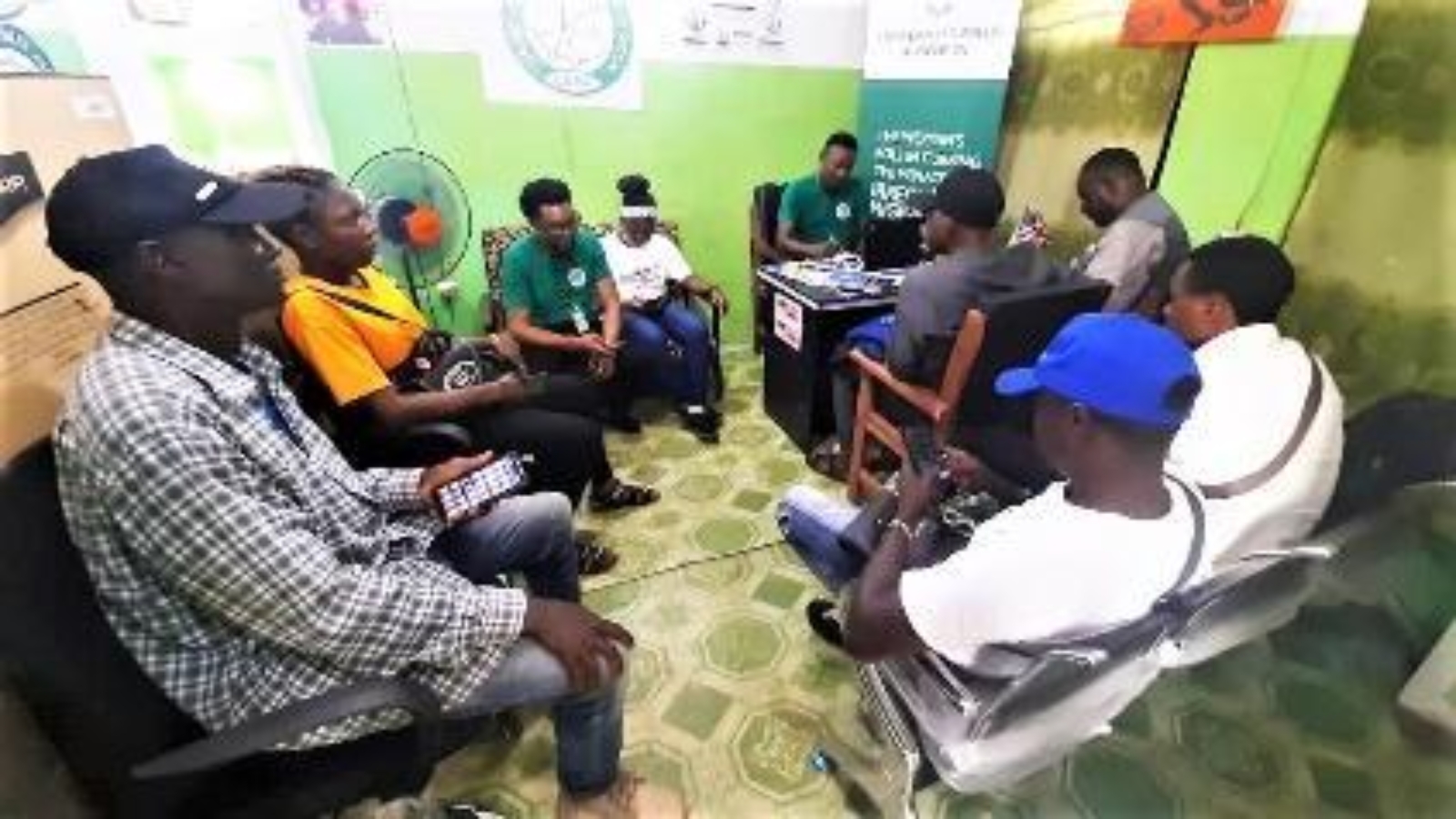
Through facilitated sessions, communities were walked through early warning tools such as hazard logs, observation checklists, alert trackers, and digital reporting platforms. These tools were demonstrated and practiced, allowing participants to understand how observations would be documented and shared through designated subcommittee representatives in subsequent phases. While communities have not yet begun active reporting, there was a clear willingness and readiness to do so once implementation officially commences.
Importantly, inclusion was central to this foundational phase. Women shared insights on changes in water access and crop cycles, youth contributed communication and digital skills, and persons with disabilities highlighted accessibility considerations for information sharing. This collective engagement strengthened trust in the process and reinforced community ownership of the early warning system.
What emerged was a shift from informal observation to structured preparedness. Community members moved from simply noticing climate risks to understanding how those risks can be documented, communicated, and acted upon in a coordinated manner.
As a Monitoring, Evaluation, Research, and Learning (MERL) Officer, this phase was a powerful reminder that effective systems begin long before data collection starts. My role focused on supporting tool orientation, ensuring clarity of roles, and documenting learning honestly and accurately. This experience strengthened my skills in participatory monitoring, adaptive learning, and evidence-based reflection, reinforcing that MERL is as much about building confidence and systems as it is about measuring outcomes.
This December activity marks only the beginning. From January to March, subsequent phases will focus on activating reporting, supporting designated community representatives, reviewing observations, and strengthening linkages between communities and formal early warning institutions.
The journey toward climate resilience is not built in a single workshop. It is built through trust, learning, and consistent engagement over time. This first phase ensured that communities are not rushed into action, but are prepared to lead it.
When early warning is understood, owned, and trusted, early action becomes possible. And this foundation sets the stage for what comes next.